White Noise Explained: How White Noise Can Help You Sleep
Written by MasterClass
Last updated: Jun 7, 2021 • 2 min read
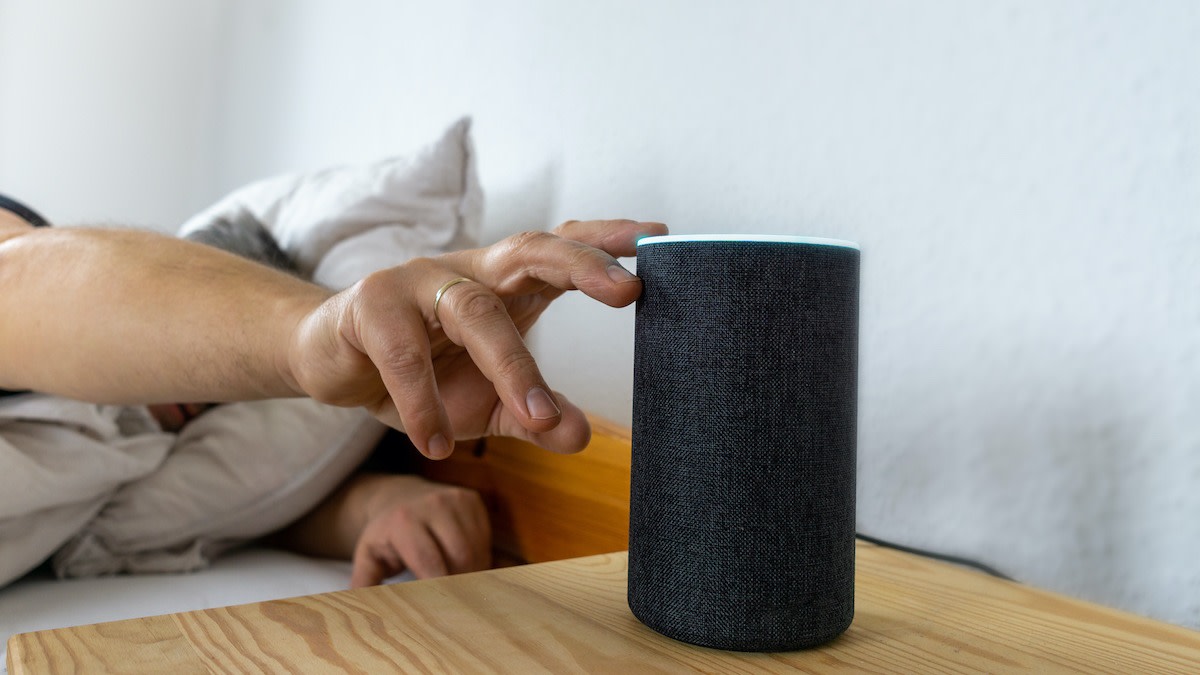
A common way to overcome sleep problems is to use a white noise machine. Ambient noise produced by white noise machines can help to lull you to sleep and promote better sleep habits.

Learn From the Best
What Is White Noise?
White noise is sound that includes all frequencies audible to the human ear—between 20 hertz and 20,000 hertz—played at an equal intensity or amplitude, measured in decibels. This produces a "shh" sound similar to that of a humming air conditioner, a hair dryer, a whirring fan, TV static, or radio static. The sound of white noise can conceal other more jarring sounds, allowing you to get a better night's sleep.
The term "white noise" derives from the term "white light;" just as white light is a blend of all visible light wavelengths, white noise is a blend of all audible sound frequencies.
4 Benefits of White Noise
Below are four benefits of using white noise to help you sleep. If you think you have a sleep disorder, seek medical advice from your doctor before altering your sleep habits.
- 1. White noise blocks distracting environmental noises.The soothing sound of a white noise machine can mask sounds that may keep you awake, such as barking dogs, loud neighbors, and honking vehicles. Some hospitals install white noise machines in patient rooms so that patients can fall asleep easier. In addition, people suffering from tinnitus, a condition of ringing in the ears, sometimes use white noise to help suppress the buzzing sound.
- 2. White noise can induce sleep through relaxation. White noise not only blocks out disturbing sounds, but it also provides a relaxing ambient noise that can help you drift off to sleep.
- 3. White noise helps "turn off" your mind. Those who suffer from insomnia typically struggle to stop thoughts from racing at night. When you’re lying in bed in silence, any small noise can act as a trigger and activate your mind.
- 4. White noise can be available anywhere. Many white noise machines are compact, so you can take them on the go when you travel. If you don’t want to buy a white noise sound machine, you can download a white noise app on your smartphone.
White Noise vs. Pink Noise: What’s the Difference?
White noise and pink noise both consist of all the audible frequencies that the human ear can hear, but unlike white noise, the frequencies in pink noise are not played at an equal intensity. In pink noise, intensity is highest at lower frequencies and gradually decreases as the frequency increases. Due to this unequal distribution of intensity, pink noise sounds deeper than white noise. Like white noise, pink noise can function as a sleep aid by creating a relaxing atmosphere and blocking out background noise.
Want to Learn More About Catching Those Elusive Zs?
Saw some of the best darn logs of your life with a MasterClass Annual Membership and exclusive instructional videos from Dr. Matthew Walker, the author of Why We Sleep and the founder-director of the Center for Human Sleep Science at the University of California, Berkeley. Between Matthew’s tips for optimal snoozing and info on discovering your body’s ideal rhythms, you’ll be sleeping more deeply in no time.


How to Sleep Earlier: 9 Tips to Help You Go to Bed Earlier
Apr 18, 2022

How to Sleep Better: 12 Tips for Getting Restful Sleep
Jan 22, 2021

Sleep Hygiene Tips: How to Practice Good Sleep Hygiene
Dec 10, 2020

Sleep Talking Explained: 6 Tips for Reducing Sleep Talking
Dec 15, 2020

Alcohol and Sleep: How Alcohol Disrupts Your Sleep
May 19, 2021

Interrupted Sleep Explained: 4 Effects of Sleep Fragmentation
Dec 7, 2020
Other articles
6-Month Sleep Regression: How Infant Sleep Patterns Change
Dec 18, 2020
Music 101: What Is an Equalizer? Plus: Best Equalizer Settings for Drums and Guitar
Apr 23, 2019
How Use a Sleep Diary to Improve Your Sleep
Jan 22, 2021
How Dogs Sleep: 5 Common Dog Sleeping Positions Explained
Dec 16, 2020
How to Soundproof a Door: 7 Methods for Soundproofing a Door
Oct 28, 2021
Diegetic Sound and Non-Diegetic Sound: What’s the Difference?
Apr 23, 2019