What Is Veal Stock? Tips and Tricks for Making and Cooking With Veal Stock
Written by MasterClass
Last updated: Aug 23, 2021 • 2 min read
Veal stock encapsulates the soul of French cuisine. Veal may not be as ubiquitous as chicken, beef, or vegetables, though it is equally straightforward to make. The results leave you with a rich, velvety base for making classic sauces including sauce espagnole, demi-glace, and pan sauce.
What Is Veal Stock?
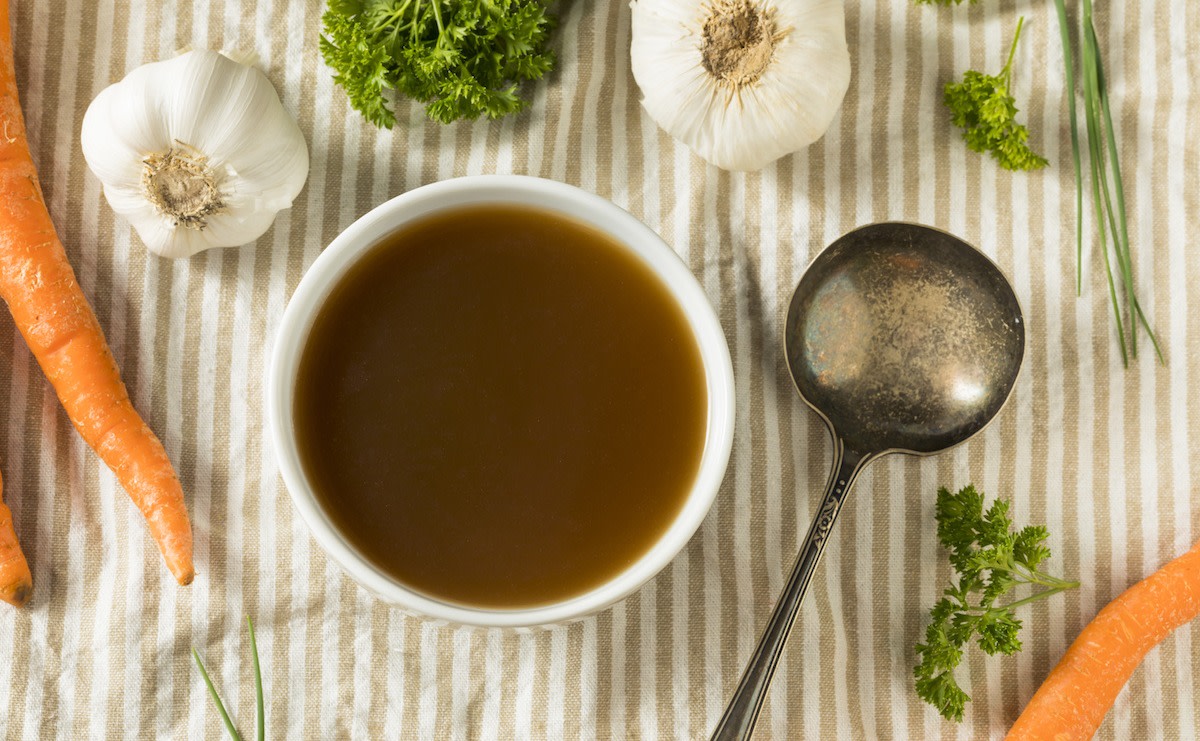
Veal stock is made by cooking veal bones with a small amount of veal meat, mirepoix (the French culinary term for a mixture of onions, carrots, and celery stalks), and aromatics (like bay leaves or black peppercorns) in water. The solids are strained, leaving a stock base for stews, soups, braises, and sauces. Find Chef Thomas Keller’s veal stock recipe here.

Learn From the Best
What's the Difference Between White Veal Stock and Brown Veal Stock?
There are two types of veal stock, white and brown, with the main difference between them being that the ingredients for brown veal stock are roasted in the oven before making the stock and tomatoes or tomato paste are often added to the mix.
Is Veal Stock Healthy?
Veal stock is rich in minerals such as magnesium and calcium that help build and strengthen your bones. It also contains many other healthy nutrients, including vitamins, amino acids, essential fatty acids, collagen, and glucosamine to protect your joints.
5 Ways to Use Veal Stock
- 1. Stews and Soup: Veal stock makes a rich base for many soups and stews. You can try it in French onion soup, veal stew, or a veal meatball and vegetable soup.
- 2. Braises: Use veal stock to add flavor when braising veal shanks such as in osso buco or brasato vitello.
- 3. Italian Risotto: Using homemade veal stock as a base for risotto pairs well with heartier ingredients like wild mushrooms, short ribs, and sausage.
- 4. Gravy: Use veal stock to make brown gravy and serve with turkey, roast beef, or mashed potatoes.
- 5. Sauces: Veal stock can be used as a base to make sauces such as a demi-glace, bordelaise, and chateaubriand sauce.
5 Tips for Making Veal Stock
- 1. Freeze the bones ahead. Save veal osso bucco, meaty neck bones, knuckle bones, or calf’s feet when cooking or visiting the butcher. Wrap them up and freeze until you have enough to make a stock, at least a few pounds veal bones.
- 2. Always roast the veal bones. Roasting your bones helps to create a deeper, fuller, and richer flavor from the caramelizing of the meat and marrow.
- 3. Strain it twice. First strain the large stockpot using a colander lined with cheesecloth or a sieve. Then strain it again with a fine mesh strainer like a chinoise. For an extra clear stock, you can strain the broth once more through a coffee filter (moistened with cold water first).
- 4. Cool and skim. Once the stock is cooled, the fat solidifies in a layer on top and can easily be skimmed with a spoon.
- 5. Pack and freeze. Ladle your stock into smaller containers or ice cube trays and pop it into the freezer so you have it on hand whenever a recipe calls for it.
Find more culinary techniques in Chef Thomas Keller’s MasterClass.


Wolfgang Puck’s Veal Demi-Glace Recipe: How to Make Demi-Glace
Oct 10, 2019

What Is Sauce Espagnole? Learn How to Make Sauce Espagnole
May 22, 2019

How to Make Homemade Beef Stock: Easy Beef Broth Recipe
Jun 4, 2019

Cooking 101: Stocks vs. Broths and How to Make 5 Different Stocks
Jun 11, 2019

Learn How to Make Homemade Vegetable Stock: Easy Stock Recipe
May 29, 2019

What’s the Difference Between Stocks vs. Broths?
Dec 17, 2019
Other articles
How to Use Glace de Vivande in Your Cooking
Sep 22, 2020
How to Make Homemade Turkey Stock
Oct 22, 2021
Sauce Chasseur Recipe: How to Make French Hunter's Sauce
Apr 28, 2021
Chef Thomas Keller's Veal Stock Recipe
May 29, 2019
How to Make Consommé: Step-by-Step Consommé Recipe
Dec 13, 2019
What Is Mirepoix? How to Make Mirepoix and Easy Mirepoix Recipe
Nov 30, 2018