What Is Tweed? A Complete Guide to the History of Tweed, Plus 8 Different Types of Tweed
Written by MasterClass
Last updated: Aug 12, 2021 • 3 min read
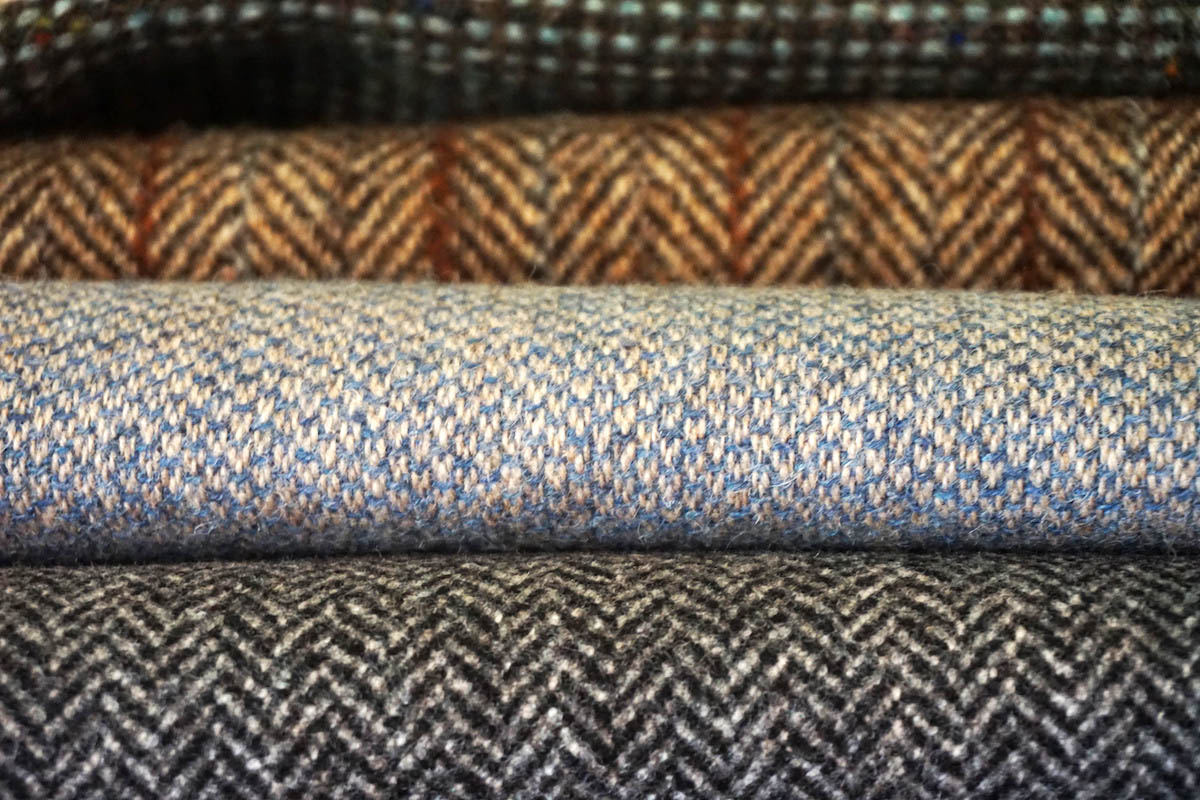
Tweed is a wool patterned fabric that has become synonymous with Scottish and Irish style. The rough, twill fabric originated in the Scottish highlands in the nineteenth century, and it is still used today for coats, jackets, suits, and more.

Learn From the Best
What Is Tweed?
Tweed is a rough woven fabric usually made from wool. The fibers can be woven using a plain weave or twill weaves. Learn more about twill weaves here.
Tweed is an extremely warm, hard-wearing fabric that is thick and stiff. Wool tweed is often woven using different colored threads to achieve dynamic patterns and colors, frequently with small squares and vertical lines. Tweed is very popular for suiting and jackets, which were originally made out of the material for hunting activities.
What Are the Origins of Tweed?
Tweed was originally called “tweel,” which is the Scots word for twill, the most popular weaving technique for making tweed. The name, according to lore, came about when a London merchant misinterpreted the name “tweel” for “tweed,” thinking the fabric was named for the River Tweed in Scotland. The name stuck and the fabric has been called tweed since.
The material originated in Scotland and Ireland, worn commonly by farmers. Tweed became popular with the upper classes across the British Isles after 1848, when Prince Albert purchased Balmoral Castle in Scotland and designed the unique Balmoral tweed. Each highland estate began to make their own “estate tweeds” to differentiate themselves during hunting expeditions and other outdoor activities.
3 Different Ways Tweed Is Used
Tweed is most popular for suiting and outerwear as a result of its warmth and rough and distinctive texture.
- 1. Tweed jackets. Tweed sport coats for hunting were one of the first uses of the fabric, and the tradition continues today, as tweed patterns populate many blazers and coats as both a practical and fashion statement. Tweed coats are extremely warm and long-lasting.
- 2. Tweed suit. Full tweed suits are also popular and can look extremely distinctive when accessorized well. It’s a classic look, and the textile provides great warmth and a vintage appeal.
- 3. Accessories. Tweed hats and bags are also a common use of the fabric. Tweed caps are characteristic of highland farmers and weavers, but they’re also a nice fashion statement.
8 Different Types of Tweed
There are many different ways to make tweed fabric, and different types of tweed are named for the sheep they’re made from, where the tweed is made, or after the type of weaving technique or pattern. Here are some of the most popular types of tweed:
- 1. Harris Tweed. Harris tweed is a legally-protected type of tweed made in the Outer Hebrides, an archipelago off the northern coast of Scotland. According to the Harris Tweed Act of 1993, Harris tweed is strictly defined as: “Handwoven by the islanders at their homes in the Outer Hebrides, finished in the Outer Hebrides, and made from pure virgin wool dyed and spun in the Outer Hebrides.”
- 2. Donegal tweed. Donegal tweed is named for the Irish county of Donegal, where it originated. This is one of the most popular types of tweed in the world, and it is distinguished by its rainbow-colored specks of yarn throughout the knobby surface.
- 3. Saxony tweed. Saxony tweed from merino sheep, originally made in Saxony, Germany. The tweed is very soft and smooth, due to the nature of merino wool.
- 4. Herringbone tweed. Herringbone is a broken twill weave that produces a pattern of V’s on the surface of the fabric. Some say the herringbone pattern looks like fish bones, hence the name.
- 5. Shetland tweed. Shetland tweed is named for the sheep from the Shetland Islands, a group of islands far off the northeastern coast of Scotland. The wool is lighter and more delicate, creating a lighter weight, casual tweed.
- 6. Barleycorn tweed. The weave of a barleycorn tweed gives the effect and look of barleycorn kernels on the surface of the fabric. It’s a very dynamic pattern and has a slightly bumpy feel.
- 7. Cheviot tweed. Cheviot tweed is named for the type of sheep used to make the wool, from the Cheviot Hills in the Scottish borders region. It is generally rougher and heavier than other types of tweed.
- 8. Overcheck twill. Overcheck twill is a plain twill fabric with a large checked design in a contrasting color completing the tweed pattern.
Become a better fashion designer with the MasterClass Annual Membership. Gain access to exclusive video lessons taught by fashion design masters including Marc Jacobs, Diane von Furstenberg, and more.


28 Types of Fabrics and Their Uses
Oct 30, 2019

Guide to Wool Fabric: 9 Types of Wool
Jun 8, 2020

Tan France’s 5 Tips for Styling Different Fabric Textures
Sep 28, 2020

What Is Twill Fabric? Definition and Characteristics of the Popular Twill Weave
Jun 14, 2019

What Is Gingham? Different Ways to Use and Wear Gingham
Aug 23, 2019

Guide to Flannel: Explore the Look, Feel, and History of Flannel
Jul 17, 2020
Other articles
Corduroy Fabric Guide: How to Wear Corduroy Clothing
Sep 2, 2020
18 Types of Jackets: A Guide to Jacket Styles
Jul 20, 2021
Guide to Men’s Suit Styles: 3 Classic Types of Suits
May 20, 2020
What Is Lambswool? Learn the Difference Between Lambswool and Merino Wool
Oct 1, 2019
Fabric Guide: What Is Cashmere? Learn More About the Luxurious Wool
Nov 6, 2019
Types of Hats: A Brief History of Hats
Jul 22, 2021