What Is Hamachi? 4 Ways to Serve Hamachi
Written by MasterClass
Last updated: Dec 20, 2021 • 2 min read
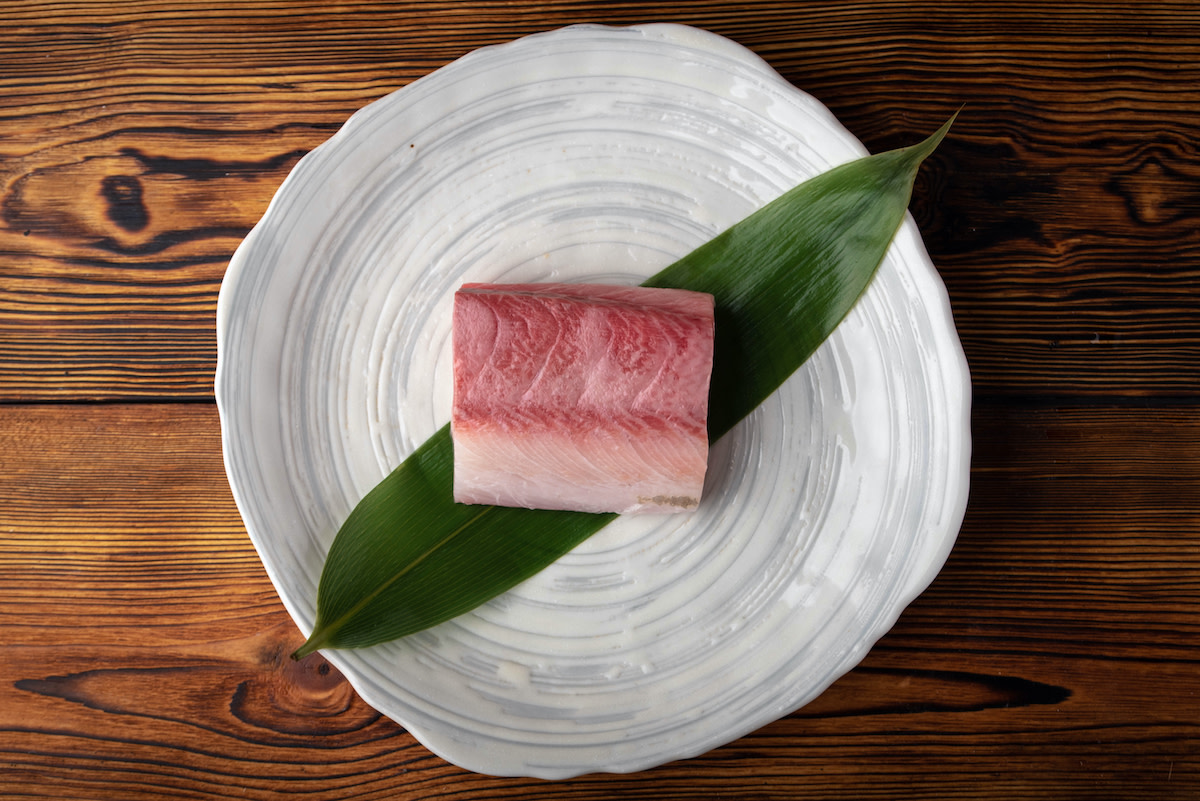
Hamachi describes a type of sushi-grade yellowtail fish that often appears in Japanese cuisine. Read on to learn more about this flavorful fish.

Learn From the Best
What Is Hamachi?
Hamachi is a type of sushi-grade fish that is a younger version of yellowtail (often called “Buri” in Japan) typically farm-raised for greater fat content. It is a staple of Japanese cuisine and forms the base of many sushi-style raw fish dishes at sushi bars worldwide. Hamachi has a mild taste and a firm, buttery texture that sushi novices love. Yellowtail hamachi is distinct from yellowfin tuna (and yellowtail tuna), a species from the Carangidae family, which includes mackerels.
Three different types of fish fall under the yellowtail classification, including gold-striped amberjack (“Hiramasa”), greater amberjack (“Kanpachi”), and Japanese amberjack (“Buri”), but sashimi-grade hamachi typically comes from Japanese amberjack.
Hamachi has many different names in different regions of Japan, such as “wakashi” in the Kanto region, “inada” in Warasa, or the names “tsubasu” or “mejiro” in Kansai.
4 Common Preparations of Hamachi
The most common way to prepare hamachi is sushi, but many appetizers and main dishes incorporate this flavorful fish.
- 1. Hamachi donburi: Donburi means “bowl” in Japanese, but it's also a catch-all term for rice bowls. There are endless varieties of this Japanese dish that incorporate vegetables, meat, seafood, and eggs cooked with flavorful seasonings—all on top of plain, steamed white rice. You can cook or serve hamachi raw as an accompaniment to your favorite donburi.
- 2. Hamachi maki: Makizushi (also known as maki sushi and norimaki) is rolled sushi. Maki rolls can take many forms, whether small or large, hand-rolled or formed in a makisu (bamboo mat)—but they always feature sushi rice and toppings wrapped together in toasted nori seaweed. Hamachi maki rolls typically include scallion for a vegetal crunch that perfectly complements the buttery flavor of hamachi.
- 3. Hamachi nigiri: Nigirizushi, or nigiri, consists of an oblong ball of sushi rice typically topped with a little wasabi and a slice of raw fish. Hamachi nigiri is a common staple of sushi restaurants and often appears in Omakase spreads. A single slice of jalapeño often tops hamachi nigiri.
- 4. Hamachi sashimi: Sashimi is a Japanese presentation of raw fish or meat, sliced thin and eaten alongside an assortment of garnishes and condiments like freshly grated ginger and wasabi, shredded daikon radish, minty shiso leaves, and a dipping sauce like soy sauce or ponzu. Hachimi is a popular option for sashimi, and some chefs will even grill their sashimi or toast it with a blowtorch slightly before eating.
Want to Learn More About Cooking?
Become a better chef with the MasterClass Annual Membership. Gain access to exclusive video lessons taught by the world’s best, including Niki Nakayama, Gabriela Cámara, Chef Thomas Keller, Yotam Ottolenghi, Dominique Ansel, Gordon Ramsay, Alice Waters, and more.


Sushi vs. Sashimi: Differences Between Sushi and Sashimi
Apr 29, 2021

Sushi Types Explained: 10 Types of Sushi
Dec 17, 2021

Makizushi Guide: 4 Types of Maki Sushi
May 14, 2021

Kaisen-Don Recipe: How to Make a Japanese Seafood Bowl
Apr 7, 2021

Simple Nigiri Recipe: How to Make Nigiri Sushi
May 24, 2021

How to Eat Sushi in 6 Steps
Jan 11, 2022
Other articles
How to Cut Fish for Sushi in 6 Steps
Feb 9, 2022
Tobiko vs. Masago: Differences Between the Fish Eggs
Nov 9, 2021
Tobiko Ingredient Guide: How to Use Flying Fish Roe
Nov 17, 2021
Poke Bowl Recipe: How to Prepare Fish for Poke Bowls
Sep 5, 2021
Wasabi Guide: How to Serve Wasabi
Mar 9, 2021
How to Make Homemade Wasabi: 3 Ways to Use Wasabi
May 4, 2021