Umbrella Pine: 7 Tips for Growing an Umbrella Pine Tree
Written by MasterClass
Last updated: Aug 20, 2021 • 2 min read
The Japanese umbrella pine tree is a slow-growing evergreen conifer native to the forests of Japan.

Learn From the Best
What Is an Umbrella Pine?
The Japanese umbrella pine (Sciadopitys verticillata) is a conical-shaped evergreen tree with dark green needles. Despite its common name, the umbrella pine is not a true pine but actually a conifer that is the lone member of the botanical family Sciadopityaceae.
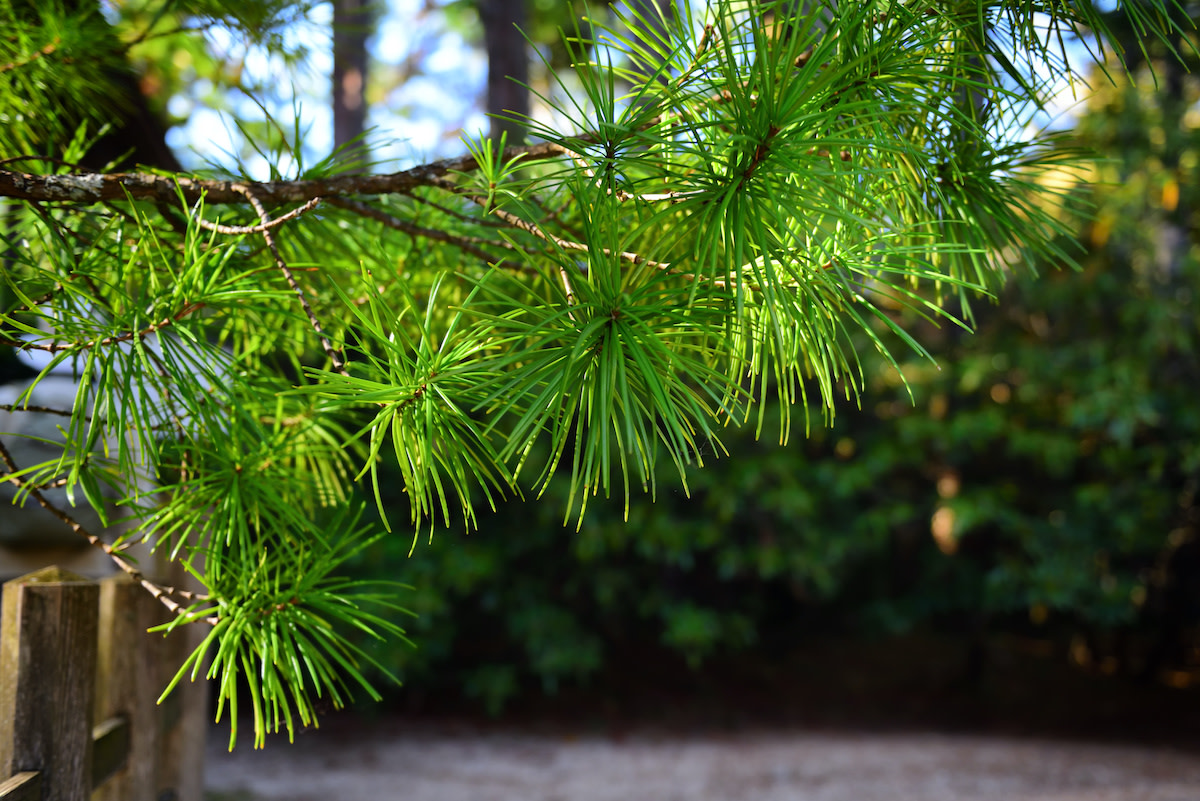
The umbrella pine’s needles grow three to five inches long in a spiral pattern called whorls and are far wispier than the needles of a true pine tree. As the tree ages, its bark becomes a reddish-brown color and will peel (known as exfoliating). An umbrella pine can take decades to mature, but it can reach a height of twenty-five to thirty feet when fully grown. The tree ultimately takes on a conical or pyramidal shape, with a narrow top and wider bottom branches.
Due to its slow growth rate, the umbrella pine makes a good ornamental evergreen shrub in gardens. Known as kōyamaki in Japan, the conifer, according to local culture, is one of five sacred trees in the country’s Kiso Valley.
7 Tips for Growing Japanese Umbrella Pines
The Japanese umbrella pine is slow-growing, making its maintenance and plant care relatively simple. Here are several tips to help your umbrella pine tree thrive:
- 1. Determine your USDA zone. The Japanese umbrella pine grows across USDA Hardiness Zones 5 through 8a, so it’s worth checking how your region’s USDA zone before acquiring one of these trees.
- 2. Plant the tree in full sun. Though umbrella trees can withstand partial shade, it prefers a location where it will have access to sunlight most of the day.
- 3. Prepare the soil. Umbrella pines do best in well-drained, organically rich, and acidic soil.
- 4. Water the tree regularly. The umbrella pine prefers a consistent, moist soil—don’t soak the soil, but don’t let it become too dry, either.
- 5. Add mulch in warmer climates. During periods of warm weather or if you live in a warmer climate, you can help the ground retain moisture by layering mulch around the base of the tree.
- 6. Protect the tree from wind. The umbrella pine tree can withstand freezing temperatures, but it’s prone to winter burn in the most northern climates. To avoid this, plant the tree in a location where strong winds won’t affect it, or wrap the umbrella pine in burlap in winter.
- 7. Prune only when necessary. The umbrella pine needs relatively little pruning. Remove dead or damaged branches when needed. To care for the tree as you would an ornamental bonsai, trim it back to the desired shape every season. If you’re letting the umbrella pine grow to its full size, trim back seasonally to help retain a consistent shape.
Learn More
Grow your own garden with Ron Finley, the self-described "Gangster Gardener." Get the MasterClass Annual Membership and learn how to cultivate fresh herbs and vegetables, keep your house plants alive, and use compost to make your community—and the world—a better place.


Yew Pine Guide: How to Grow and Care for Yew Pines
Nov 16, 2021

Norfolk Island Pine Tree Guide: 8 Tips for Care and Growth
Jun 23, 2021

Evergreen Trees: How to Choose an Evergreen for Your Yard
Jan 12, 2022

9 Dwarf Evergreen Trees to Grow in Your Yard
Jan 18, 2022

Bonsai Tree Care Guide: How to Grow a Bonsai Tree
Jun 16, 2021

Japanese Plum Yew: How to Grow Japanese Plum Yew Shrubs
Oct 21, 2021
Other articles
Japanese Yew Grow Guide: How to Grow Japanese Yew
Nov 8, 2021
Japanese Snowbells: How to Grow a Japanese Snowbell Tree
Feb 2, 2022
Ginkgo Tree Care Tips: How to Grow a Ginkgo Tree
Oct 5, 2021
Pine Needle Tea: How to Forage and Prepare Pine Needle Tea
Mar 30, 2022
Planting Arborvitae: 5 Tips for Planting Arborvitae
Dec 10, 2021
How to Care for a Christmas Tree: 6 Christmas Tree Care Tips
Nov 17, 2020