Polenta vs. Cornmeal: How Do They Compare?
Written by MasterClass
Last updated: Oct 11, 2021 • 2 min read
Home cooks that use cornmeal know the ground, dried corn is a versatile ingredient that takes many tasty forms. The Northern Italian side dish polenta is just one of them.

Learn From the Best
What Is Polenta?
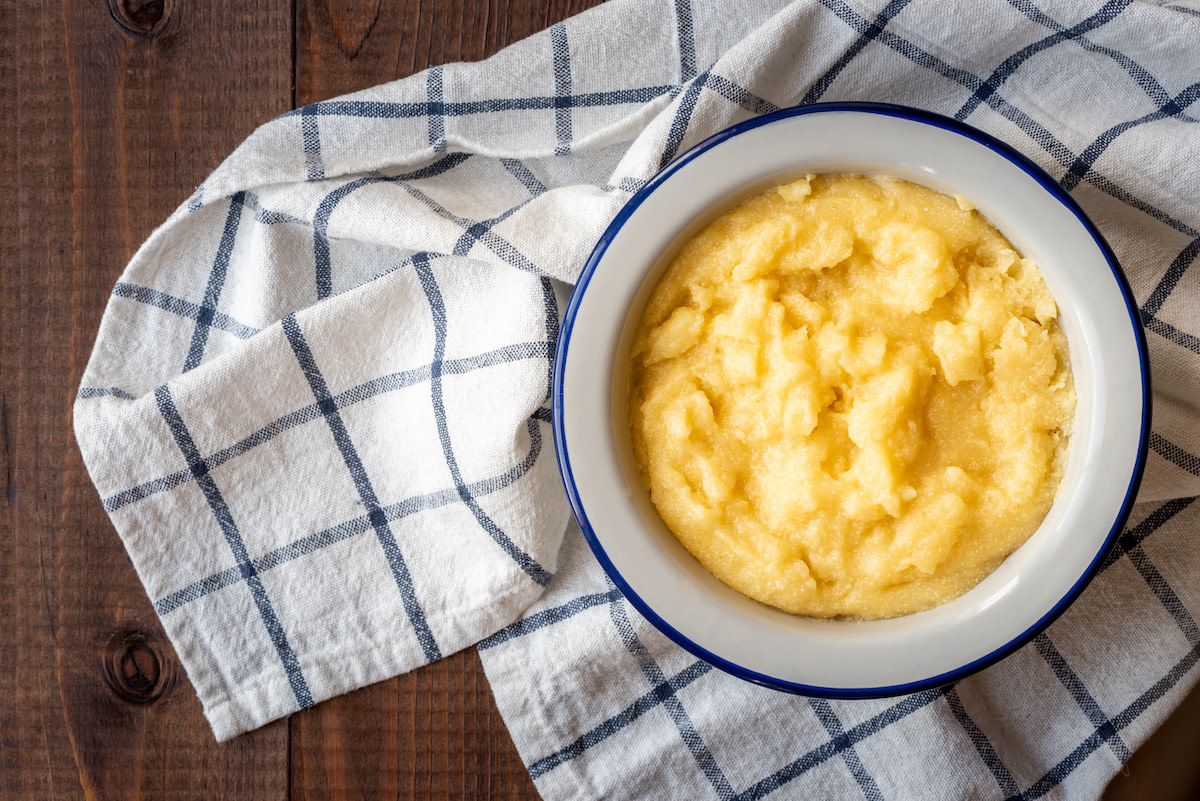
Polenta is a Northern Italian dish made from medium-ground or coarse-ground yellow cornmeal. Polenta comes from flint corn (usually from yellow corn kernels), which creates a coarse grind resulting in a firm paste-like product that holds its shape. Some polenta varieties include other grains like ground buckwheat or ground rice. It is most often served in Northern Italy as a side dish topped with butter and parmesan cheese and served with veggies.
When you make polenta with water, it becomes a thick, creamy mush, similar to porridge. You can also fry firm polenta to create crispy morsels that are chewy on the inside. Polenta can require long cooking times, and it might take up to forty minutes to reach your desired texture.
What Is Cornmeal?
Cornmeal refers to a kind of ground, dried corn (making it similar to corn flour and cornstarch). The difference is in the grind: Corn flour and cornstarch are finely ground, while cornmeal is coarsely ground. Different types of cornmeal go by different names according to several variables, from its grind to its color. Polenta and grits are two kinds of cornmeal, made from yellow and white corn, respectively. Cooks use masa harina—a powdery, fine cornmeal—to make tamales or tortillas.
Polenta vs. Cornmeal: What Are the Differences?
While polenta is a specific dish, cornmeal is the key ingredient, making them easy to confuse. Here are some ways to distinguish cornmeal from polenta:
- Coarseness: You can grind cornmeal into many textures, from stone-ground to coarsely ground to very finely ground. You can make polenta out of medium-ground or coarse-ground cornmeal. Using grains that are too small or too large for polenta may result in a less-than-ideal texture.
- Type of corn: Traditional Italian yellow corn polenta usually comes from a specific kind of Italian corn called “otto file,” which gives polenta its bright yellow color and strong corn flavor. You can make cornmeal from any kind of corn, including all yellow and white varieties.
- Uses: You can use cornmeal to make many different kinds of dishes, such as cornbread, corn muffins, and corn grits. Polenta is a specific Italian dish that you can serve as a porridge-like dish or fried in olive oil until crispy.
Want to Learn More About Cooking?
Become a better chef with the MasterClass Annual Membership. Gain access to exclusive video lessons taught by the world’s best, including Mashama Bailey, Gabriela Cámara, Niki Nakayama, Chef Thomas Keller, Yotam Ottolenghi, Dominique Ansel, Gordon Ramsay, Alice Waters, and more.


Polenta vs. Grits: The Difference Between Grits and Polenta
Sep 16, 2021

What Is Polenta? How to Make the Perfect Creamy Polenta
Jan 25, 2019

Masa Harina vs. Corn Flour: How the Corn Products Differ
May 18, 2022

Cornmeal vs. Corn Flour vs. Cornstarch: What’s the Difference?
Sep 10, 2021

Basic Polenta Recipe: How to Make Classic Italian Polenta
May 19, 2020

What Is Corn Flour? How to Use Corn Flour in Your Cooking
Dec 1, 2020
Other articles
Stone-Ground Grits Recipe: Tips for Making Stone-Ground Grits
Jan 27, 2022
Porridge vs. Oatmeal: How Do They Compare?
Oct 11, 2021
Easy Fried Polenta Recipe: How to Serve Fried Polenta
Oct 7, 2021
Vegan Corn Casserole: How to Make Vegan Corn Casserole
Feb 18, 2022
How to Thicken Grits: 6 Methods for Thickening Grits
Oct 29, 2021
Frico Recipe: How to Make Cheese Crisps at Home
Jan 24, 2022