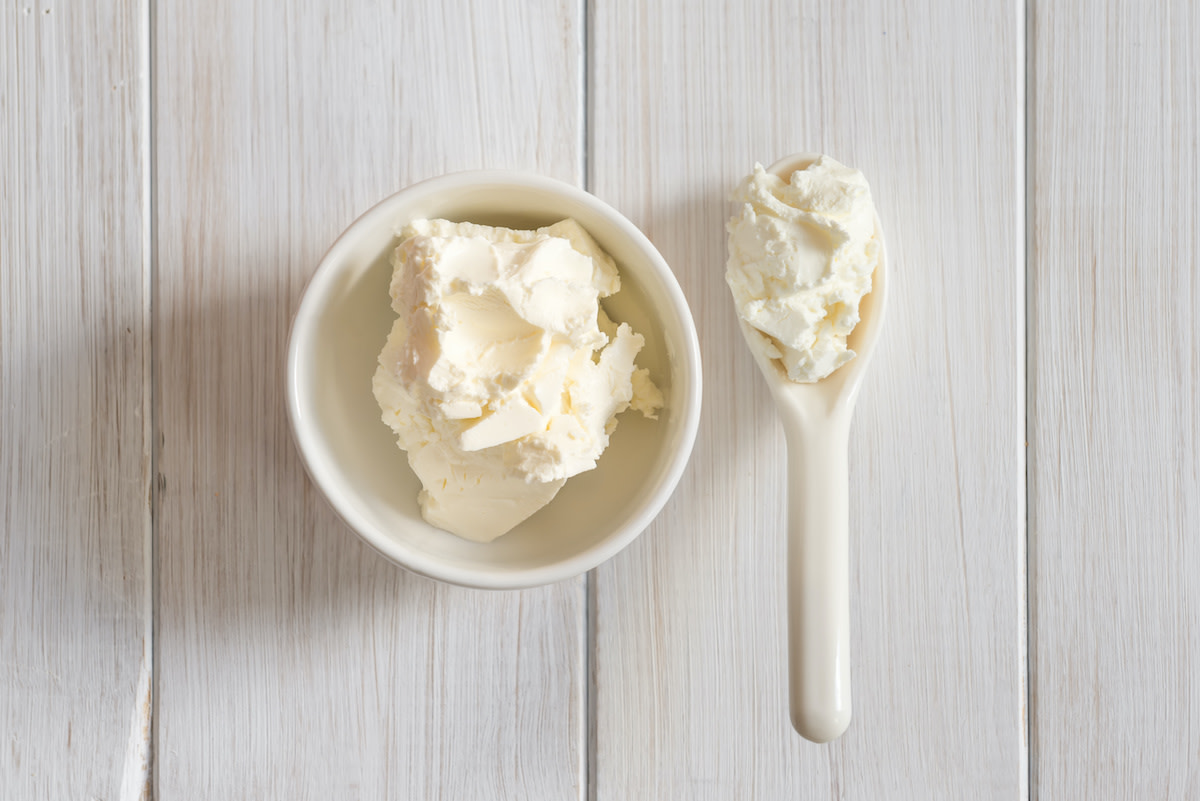
Mascarpone and cream cheese are mild cheeses that look similar but have different origins, textures, and taste. Read more on the differences between mascarpone and cream cheese.

Learn From the Best
What Is Mascarpone?
Mascarpone, also known as Italian cream cheese, is a rich, spreadable cow’s milk cheese with an especially high percentage of butterfat. Mascarpone is made by adding a tartaric acid or citric acid like lemon juice to full-fat heavy cream. Mascarpone is a Renaissance-era invention from the Lombardy region of Northern Italy and a staple ingredient in Italian desserts like tiramisu.
What Is Cream Cheese?
Cream cheese is a soft cow’s milk cheese that contains a high percentage of milk fat. It was invented around 1873 by William A. Lawrence, a dairyman living in upstate New York. He was trying to recreate Neufchâtel cheese and added cream to the cheesemaking process, creating cream cheese. Cream cheese is a popular spread for bagels and is a key ingredient in cheesecake.
Mascarpone vs. Cream Cheese: What’s the Difference?
Mascarpone cheese and cream cheese are both white, soft cheeses with a mild taste, but there are differences between them.
- Taste: Mascarpone cheese has a mildly sweet, almost nutty flavor with a fresh buttery character. Mascarpone is less tangy than comparable cheeses like ricotta and American cream cheese. American-style cream cheese is both firmer and brighter-tasting than its Italian counterpart.
- Texture: Cream cheese has a smooth texture that’s soft and easily spreadable. Mascarpone has a looser, velvety texture, and rich mouthfeel, similar to a double-crème brie.
- Fat content: Cream cheese, made with heavy cream and whole milk, has a fat content of fifty-five percent. Mascarpone is made of butterfat and has a higher fat content of seventy-five percent fat.
Can You Use Mascarpone and Cream Cheese Interchangeably?
Many recipes call for a combination of both cream cheese and mascarpone, so depending on the application, cream cheese may be a good substitute, especially in baked goods. You can also add a spoonful of sour cream or whipping cream to mimic mascarpone’s airy, meltaway consistency in dishes like risotto or soup.
To use mascarpone instead of cream cheese in a cheesecake, add some lemon juice to give the cheesecake its characteristic acidity. Using mascarpone can yield a more decadent cheesecake. You can also make a mascarpone substitute by mixing cream cheese with heavy whipping cream and sour cream.
Want to Learn More About Cooking?
Become a better chef with the MasterClass Annual Membership. Gain access to exclusive video lessons taught by the world’s best, including Massimo Bottura, Gabriela Cámara, Niki Nakayama, Chef Thomas Keller, Yotam Ottolenghi, Dominique Ansel, Gordon Ramsay, Alice Waters, and more.


Mascarpone vs. Ricotta Cheese: 3 Key Differences
Oct 22, 2021

How to Make Mascarpone: Homemade Mascarpone Recipe
May 26, 2020

Cream vs. Crème: What’s the Difference?
Nov 29, 2021

Neufchâtel Cheese vs. Cream Cheese: How the Cheeses Differ
Nov 10, 2021

Sheep Milk Cheese Guide: 9 Types of Sheep Milk Cheese
Jun 3, 2020

Simple Mascarpone Risotto Recipe With Lemon
Jul 13, 2022
Other articles
Camembert vs. Brie: Differences Between Camembert and Brie
Sep 17, 2021
Cream vs. Milk: What’s the Difference Between Cream and Milk?
Oct 28, 2021
Sour Cream vs. Greek Yogurt: Health Benefits and Substitutions
Feb 10, 2022
Ricotta vs. Cottage Cheese: Ricotta and Cottage Cheese Uses
Feb 25, 2022
Clotted Cream Recipe: How to Make Clotted Cream
Jun 15, 2021
Learn the Difference Between Spearmint and Peppermint
Sep 27, 2021