Learn How to Cook With Lemon Balm: Homemade Lemon Balm Tea Recipe
Written by MasterClass
Last updated: Apr 26, 2025 • 2 min read
Native to the Mediterranean region of Europe and Asia, lemon balm is a culinary and medicinal herb known for its distinct lemon scent and ease of growth.

Learn From the Best
What Is Lemon Balm?
The lemon balm plant (Melissa officinalis), which is also referred to as apiatrum, balm mint, sweet balm, bee’s leaf, honey plant, and labiates, is a perennial herb in the mint family (Lamiaceae). The name “lemon balm” comes from the Greek word for “balsamon,” meaning a sweet smelling oil. Still to this day, lemon balm is a prominent ingredient in the kitchens of Greece.
This perennial is a popular garden herb, thanks to its pleasant lemon scent, light green leaves, and small yellow and white flowers that are attractive to beneficial insects like butterflies and honeybees. With sizes ranging from delicate microgreens to larger leaves, lemon balm is a fragrant herb that can be used for numerous culinary purposes.
What Does Lemon Balm Taste Like?
This aromatic member of the mint family has a bright, citrusy taste that brings together the acidity of lemon with subtle hints of mint. Both the stems and fresh leaves of lemon balm have a subtly sweet flavor and can be used in food preparation and medicine.
6 Culinary Uses for Lemon Balm
- 1. Desserts: Given its sweet, citrusy flavor, fresh lemon balm and lemon balm extract are used most commonly in desserts like lemon tea cookies and lemon poppyseed loaf.
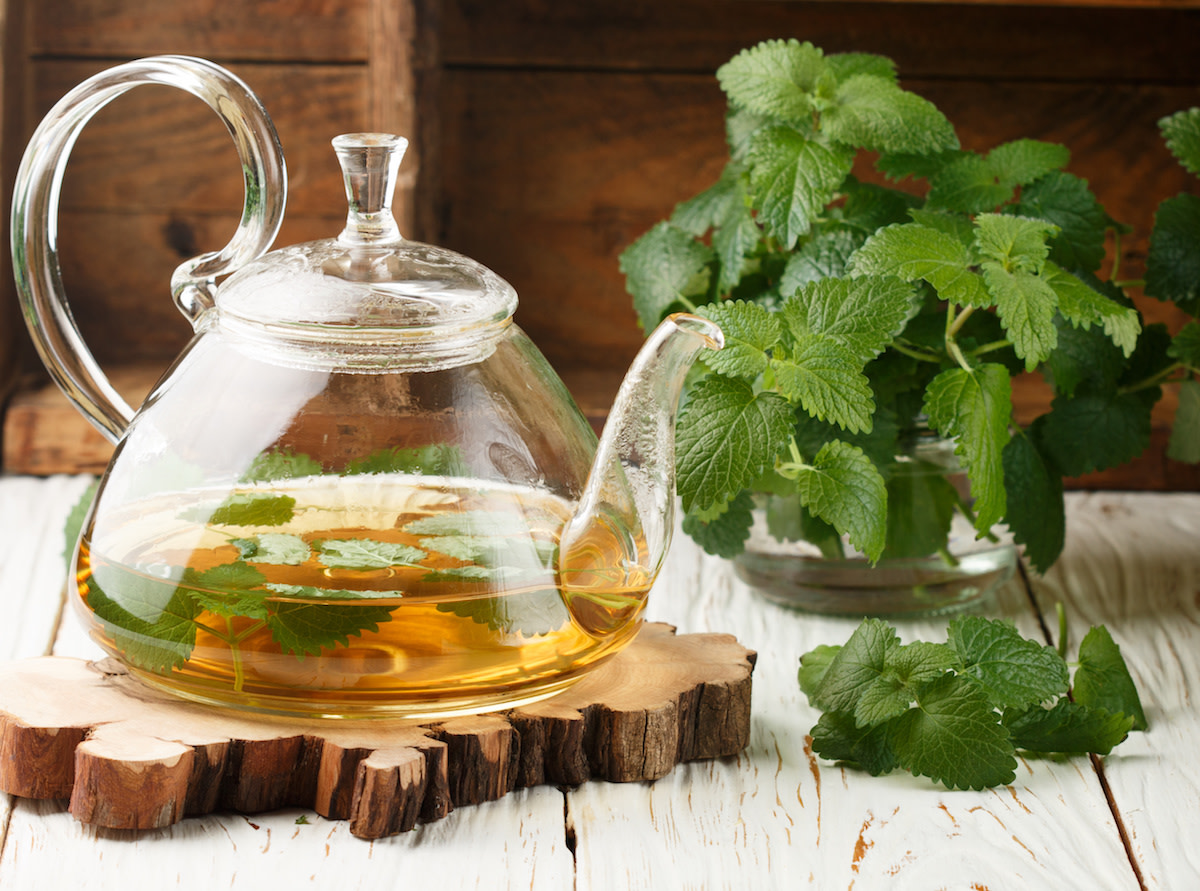
- 2. Tea: Make a lemon balm tea with the recipe below, or infuse simple syrup with lemon balm and add to your next batch of iced tea.
- 3. Salads: Lemon balm leaves are a great addition to fruit or vegetable salads.
- 4. Vinaigrettes: Use lemon balm in a quick, lemony dressing made with olive oil and vinegar.
- 5. Seafood: Garnish seafood dishes with freshly choppy lemon balm.
- 6. Sauces and soups: Lemon balm can also act as a substitute for lemon peel in dishes like sauces and soups.
What Are the Health Benefits of Lemon Balm?
Lemon balm leaves and lemon balm essential oil are antiviral and rich in antioxidants, which is why they are both used in a variety of natural health medications and beauty products. Lemon balm is safe to consume in regular culinary amounts or small medicinal doses.
Easy Homemade Lemon Balm Tea Recipe
makes
prep time
5 mintotal time
12 mincook time
7 minIngredients
Makes 1 cup of tea
- 1
Bring 2 cups water to a boil in a pot or kettle.
- 2
Crush lemon balm leaves slightly between the fingers to release natural oil, and add to a tea infuser and place in a mug. Pour the boiling water over the leaves.
- 3
Wait 5-10 minutes for the herbal tea to infuse then remove the infuser. Optionally add a touch of honey or another natural sweetener before drinking.
Become a better home cook with the MasterClass Annual Membership. Gain access to exclusive video lessons taught by culinary masters, including Alice Waters, Gordon Ramsay, Chef Thomas Keller, and more.


What Is Lemon Verbena? Learn How to Cook With Lemon Verbena
Jun 25, 2019

How to Grow and Harvest Lemon Balm
Jul 7, 2020

Learn How to Cook With Rosemary, Plus 15 Rosemary Recipes
Jun 25, 2019

How to Cook With Sage: 11 Culinary Uses for Sage
Jun 19, 2019

How to Cook With Sorrel: 7 Recipes for the Garden Herb
Oct 9, 2019

What Is Thyme? How to Dry Thyme at Home, Plus 11 Thyme Recipes
Jun 20, 2019
Other articles
How to Grow Lemon Verbena in Your Herb Garden
Apr 16, 2020
Learn How to Cook With Mint, Plus 20 Mint Recipes
Jun 25, 2019
Bee Balm Care Guide: How to Grow Bee Balm in Your Garden
Mar 22, 2021
How to Use Culinary Hyssop: 8 Ways to Cook With Hyssop
Oct 9, 2019
What Is Savory (Herb)? Learn About Winter and Summer Savory With 4 Recipe Ideas
Jun 6, 2019
DIY Lip Balm: Easy and Natural DIY Lip Balm Recipe
Jul 7, 2021