Lard vs. Shortening: How to Use Lard and Shortening
Written by MasterClass
Last updated: Nov 17, 2021 • 1 min read
Lard is a cooking fat made from pork while shortening is a cooking fat made from hydrogenated vegetable oil. Learn more about the differences between lard and shortening.

Learn From the Best
Lard vs. Shortening: What’s the Difference?
The main difference between lard and shortening is what they’re made from—lard is made out of animal fat while shortening is made from hydrogenated vegetable oil.
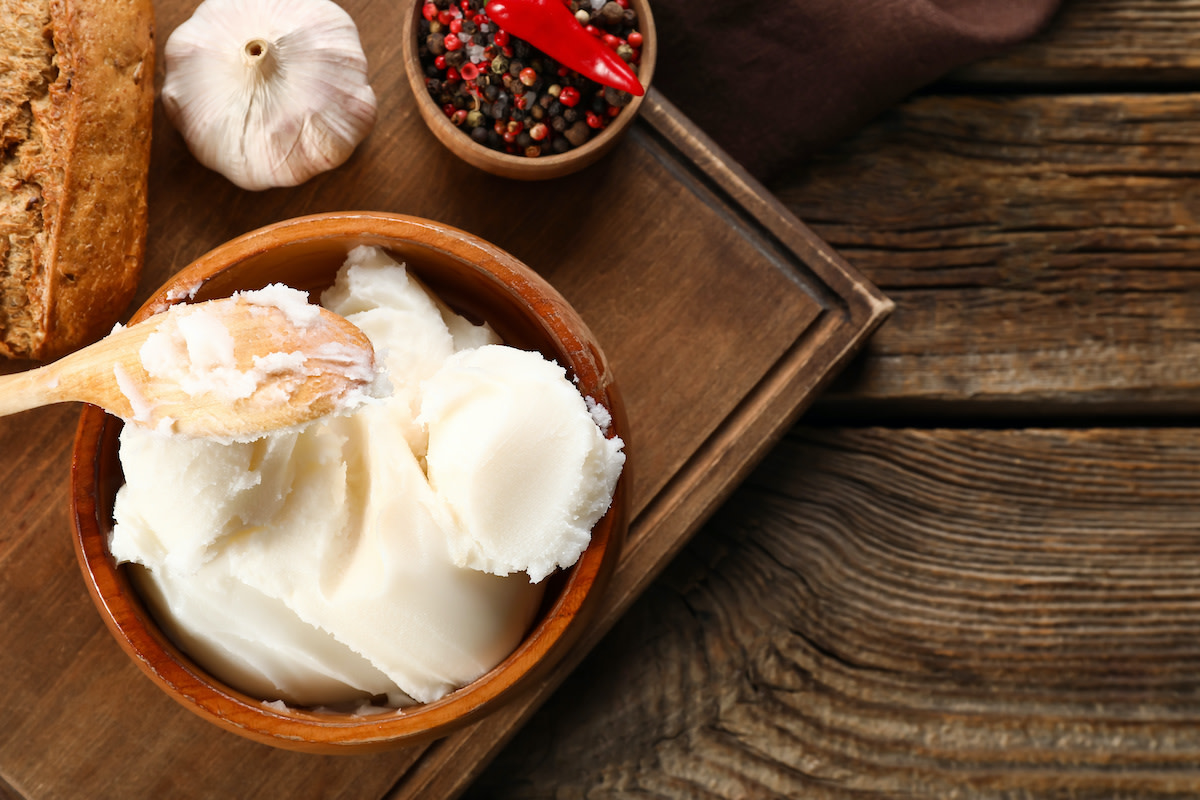
- Lard: Lard is a semi-solid cooking fat made from pork fat. Lard has less saturated fat than butter, while also having a higher smoking point and melting point. Although lard has a high-fat content, the majority of that is monounsaturated fat, which can have health benefits if consumed in moderation.
- Shortening: Shortening, also known as vegetable shortening, is a shelf-stable cooking fat made from vegetable oils like soybean oil, palm oil, and cottonseed oil. Shortening keeps its semi-solid form at room temperature because of an infusion of hydrogen.
Can You Use Lard and Shortening Interchangeably?
Generally, lard and shortening are interchangeable cooking fats with similar smoke points, fat content, and melting points. However, they’re slightly better suited for different uses.
- Lard: Lard typically works best when deep-frying food, baking flaky pie crusts, or making masa dough for tamales. The highest-quality lard for baking is leaf lard made from the fat around pork kidneys.
- Shortening: Vegetable shortening is, unsurprisingly, a better option for vegetarian and vegan bakers. Due to its neutral flavor, shortening is a good choice for baked goods with delicate flavors. Shortening is also ideal if you’re looking to make cookies with a softer texture.
For everyday cooking projects, traditional cooking oils like olive oil, coconut oil, and canola oil can serve as substitutes for lard and shortening.
Want to Learn More About Cooking?
Become a better chef with the MasterClass Annual Membership. Gain access to exclusive video lessons taught by the world’s best, including Gordon Ramsay, Gabriela Cámara, Chef Thomas Keller, Dominique Ansel, Yotam Ottolenghi, Alice Waters, and more.


5 Substitutes for Shortening: How to Substitute Shortening
Aug 13, 2021

Learn the Difference Between Canola Oil and Vegetable Oil
Aug 9, 2021

Margarine vs. Butter: What’s the Difference?
Sep 17, 2021

What Is Avocado Oil? A Guide to Cooking With Avocado Oil
May 15, 2019

What Is Suet? A Guide to Suet and Its Alternatives
Feb 3, 2022

When to Use Coconut Butter vs. Coconut Oil
Oct 15, 2021
Other articles
Perfect Homemade Pie Crust Recipe
Apr 13, 2019
Butter’s Role in Baking Bread: 3 Tips for Using Butter in Baking
Dec 16, 2020
Complete Olive Oil Guide: Regular Olive Oil Vs. Extra Virgin, Different Types of Olive Oil, and How to Pick the Best Olive Oil
Apr 15, 2019
What Is Oleo? History, Uses, and Substitutions
Dec 20, 2021
What Is Tallow? How to Make Beef Tallow
Mar 30, 2022
Salted vs. Unsalted Butter: When to Use the Different Butters
Sep 6, 2021