Is Bacon Bad for Dogs? 3 Health Risks of Feeding Dogs Bacon
Written by MasterClass
Last updated: Mar 22, 2022 • 2 min read
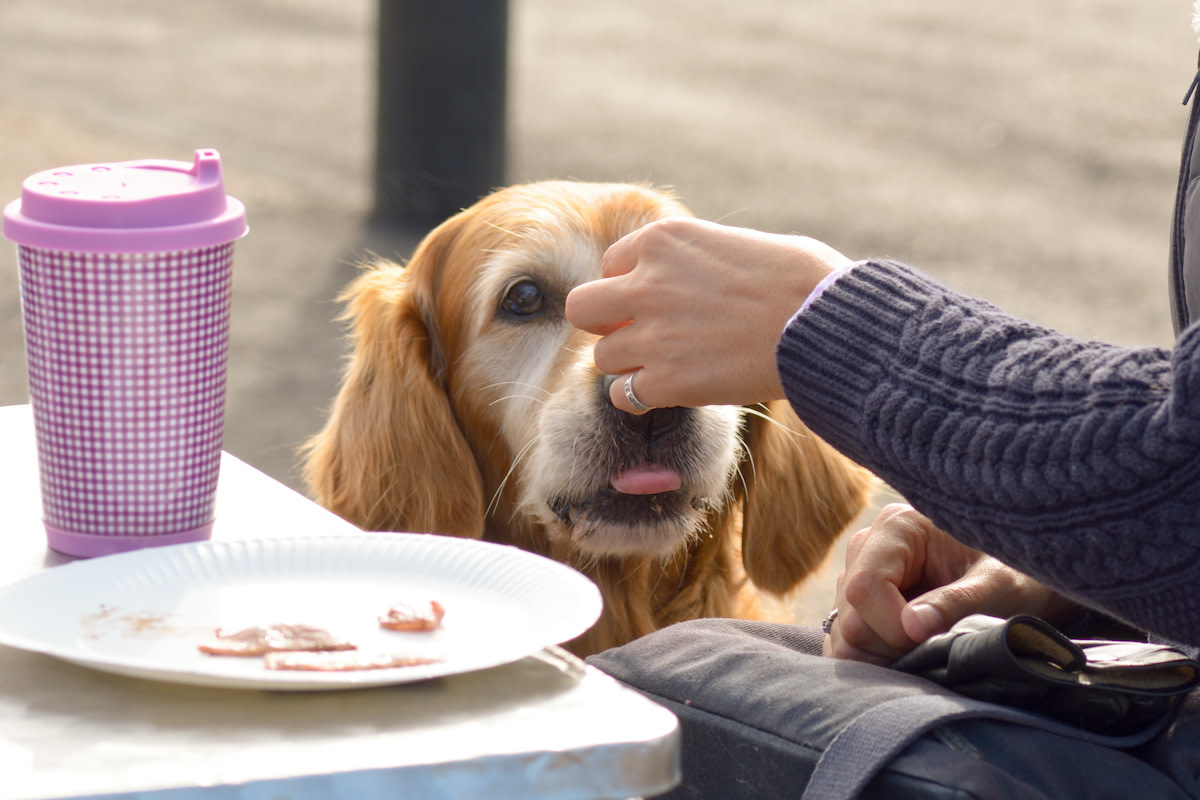
If you are a pet owner wondering if bacon is bad for dogs, the answer is yes—bacon can cause long-term health problems like obesity, and even one slice of bacon can lead to an upset stomach. Learn more about the potential health risks so you can care for your best friend and keep your dog’s diet healthy.

Learn From the Best
Is Bacon Bad for Dogs?
Bacon is bad for all dog breeds and can cause health problems. Bacon and other types of pork—including pork bones, raw pork, and raw bacon—all have large amounts of salt and fats that make them dangerous as pet foods. The saltiness and high fat content can cause short-term health issues like bloat and inflammation and long-term or life-threatening health issues like obesity and gastrointestinal disorders. Do not feed your dog bacon as a snack or treat mixed in with their dog food.
3 Health Risks of Feeding Dogs Bacon
Dog owners should be aware of the health risks of feeding bacon to dogs—even one small piece or the occasional treat. While it is tempting to treat your pet to human food, the preservatives, seasonings, and bacon grease in cooked pork and many pork products can cause harm to your dog’s body. Here are three health issues associated with feeding your dog pork or bacon:
- 1. Bloat: Bacon is a high sodium food, meaning it has a high salt content. Salty foods can result in a condition in your dog’s stomach called bloat, which occurs when your dog experiences excessive dehydration that makes them drink too much water. Bloat can cause your dog extreme discomfort and could result in damage to internal organs.
- 2. Inflammation of the pancreas: Fatty foods and processed meats like bacon can result in an inflamed pancreas or pancreatitis, a potentially fatal illness. The greases and fats in bacon prematurely activate digestive enzymes in your dog's digestive system, which can lead to nausea, vomiting, and diarrhea. Just one piece of bacon can trigger these symptoms, and it may require a trip to the vet.
- 3. Obesity and clogged arteries: The high fat content and grease in bacon can lead to weight gain for your pooch. The fatty acids can also cause indigestion or gastrointestinal upset and lead to abdominal pain or even clogged arteries.
Before Sharing With Your Pooch
Certain human foods can cause adverse reactions in canines, so always consult your veterinarian to determine whether it is safe to add these foods to your pet’s diet. This article is for educational and informational purposes and is not a substitute for medical or dietary advice.
Want to Learn More About Training the Goodest Boy or Girl?
Your dream of having a dog who understands words like “sit,” “stay,” “down,” and—crucially— “no” is just a MasterClass Annual Membership away. The only things you’ll need to train up a well-behaved pup are your laptop, a big bag of treats, and our exclusive instructional videos from superstar animal trainer Brandon McMillan.


Can Dogs Drink Milk? 3 Health Risks of Milk for Dogs
May 11, 2022

Can Dogs Eat Figs? Potential Benefits and Health Risks
Mar 4, 2022

Can Dogs Eat Ginger Snaps? 3 Risks of Ginger Snaps for Dogs
Apr 28, 2022

Can Dogs Have Paprika? 3 Health Risks for Dogs
Apr 12, 2022

Can Dogs Eat Kiwi? Pros and Cons of Kiwi for Dogs
Mar 10, 2022

Can Dogs Eat Cat Food? 3 Health Risks if Dogs Eat Cat Food
Apr 18, 2022
Other articles
Can Dogs Eat Garlic Bread? Health Risks of Garlic for Dogs
May 6, 2022
Is Cauliflower Good for Dogs? Benefits and Risks for Dogs
Mar 15, 2022
Can Dogs Eat Blueberry Muffins? 5 Health Risks for Dogs
Apr 14, 2022
Can Dogs Eat Tortillas? 3 Risks of Feeding Tortillas to Dogs
Jun 16, 2022
Why Do Dogs Eat Grass? 4 Reasons Dogs Eat Grass
Mar 11, 2022
How to Store Bacon Grease: 5 Ways to Use Bacon Fat
Nov 1, 2021