What Is Iodized Salt? How to Use Iodized Table Salt
Written by MasterClass
Last updated: Sep 9, 2021 • 1 min read
If you are looking to increase the amount of iodine in your diet, consider swapping ordinary salt for iodized salt.

Learn From the Best
What Is Iodized Salt?
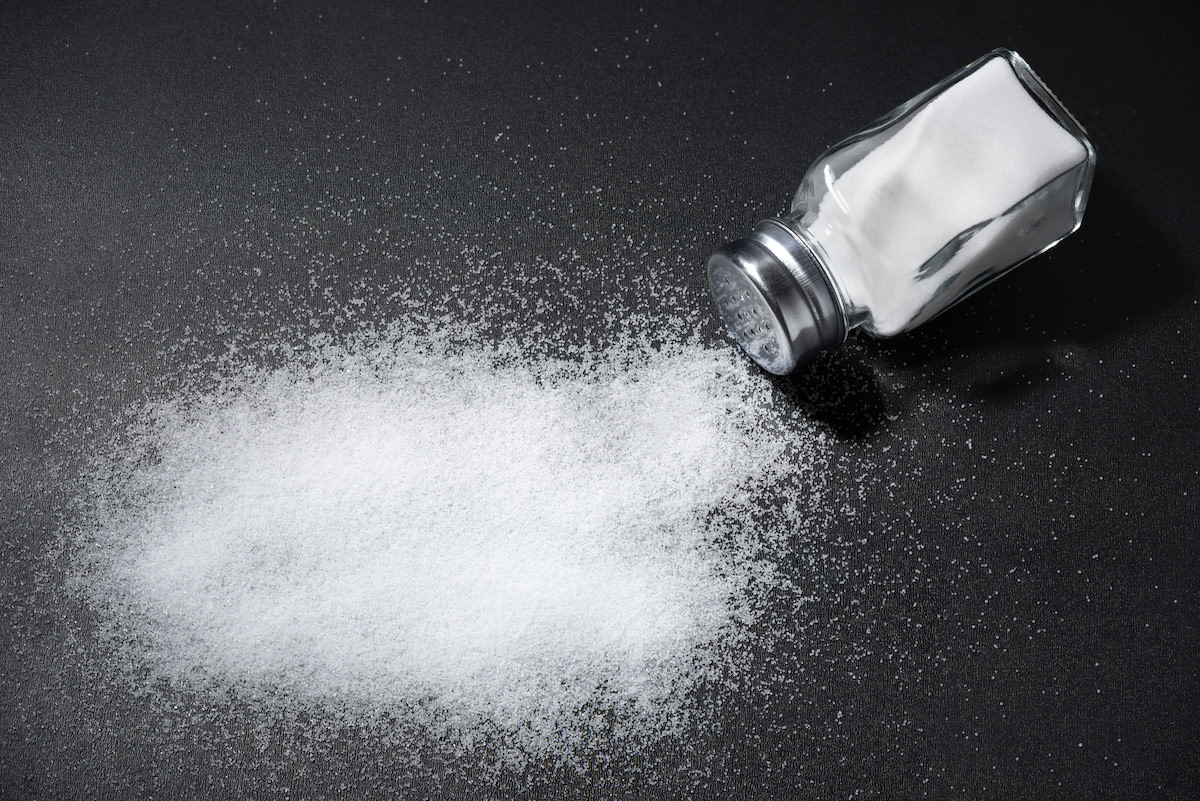
Iodized salt is a mix of salt and iodine. Salt manufacturers add iodine to salt by mixing table salt with iodine compounds such as potassium iodate, potassium iodide, sodium iodate, or sodium iodide. Adding iodine to salt is a way to address iodine deficiency, a public health issue affecting almost two billion people worldwide.
Iodized salt is different from other types of salt because it contains iodine, but it tastes the same as non-iodized salt. Iodine is typically an additive in table salt, not specialty salts such as sea salt, Himalayan salt, and kosher salt. You can use iodized salt as a seasoning or baking ingredient as you would regular table salt.
What Is Iodine?
Iodine is a micronutrient present in the earth and in food. Seafood, dairy products, eggs, and certain vegetables are high in iodine content. The human thyroid gland uses iodine to produce thyroid hormones, which regulate metabolism and repair tissue. Not consuming enough iodine can cause various health problems like hypothyroidism, leading to a goiter or an enlarged thyroid.
4 Things to Consider When Using Iodized Salt
Adding iodized salt to your diet can help address an iodine deficiency and is generally safe to consume. However, there are additional factors to consider when consuming iodized salt:
- 1. Health benefits: Iodized salt promotes the production of hormones that can help regulate metabolism, slow heart rate, and promote a healthy pregnancy.
- 2. Dietary iodine: You can meet the recommended daily amounts of iodine by consuming natural sources of iodine, which include seaweed, cod, whole-wheat bread, and milk.
- 3. Recommended intake: Too much iodine can also lead to thyroid issues. The maximum recommended daily iodine intake in adults is 150 micrograms per day, according to the US Food and Drug Administration.
- 4. Iodine supplements: Too much sodium can lead to high blood pressure. If your diet involves reducing your salt intake, you can also take iodine supplements in pill form.
Want to Learn More About Cooking?
Become a better chef with the MasterClass Annual Membership. Gain access to exclusive video lessons taught by the world’s best, including Gordon Ramsay, Gabriela Cámara, Chef Thomas Keller, Dominique Ansel, Yotam Ottolenghi, Alice Waters, and more.


Sea Salt vs. Table Salt: What’s the Difference?
Aug 31, 2021

Can Dogs Eat Salt? 3 Signs Your Dog Has Eaten Too Much Salt
May 3, 2022

Kosher Salt Ingredient Guide: How to Use Kosher Salt
Dec 18, 2019

The 12 Different Kinds of Salt You Should Have in Your Kitchen
Apr 9, 2019

How to Substitute Salt: Simple Salt Conversion Chart
Dec 8, 2020

Pickling Salt vs. Kosher Salt: How Do They Compare?
Jan 20, 2022
Other articles
Electrolytes Explained: What Do Electrolytes Do?
Sep 22, 2021
Can Dogs Eat Arugula? How to Feed Dogs Arugula
Mar 25, 2022
Canning Salt vs. Kosher Salt: How the Two Salts Compare
Feb 18, 2022
What Is Epsom Salt? How to Use Epsom Salt
Aug 31, 2021
Pink Himalayan Salt: How to Use Pink Himalayan Salt
Aug 9, 2021
Understanding Calories: 3 Tips To Track Your Calorie Intake
Mar 10, 2021