Humectant Definition: Skincare Uses for Humectants
Written by MasterClass
Last updated: Nov 12, 2021 • 2 min read
Humectants are ingredients that retain moisture, which makes them common moisturizing agents in skincare products for combating dry skin.

Learn From the Best
What Are Humectants?
Humectants are substances that attract and retain water molecules. They’re common ingredients in skincare lotions, balms, and other moisturizing products because they can draw moisture in and hold it against the skin. These types of products can leave your skin feeling and looking more hydrated. Humectants can be beneficial for dry skin types, sensitive skin types, or those with drying skin conditions like eczema. Humectants are also popular in hair care products like conditioners.
Common humectants in skincare formulations include hyaluronic acid, amino acids like urea, and propylene glycol. Common natural humectants include sugar, honey, aloe vera, glycerin (or glycerol) and sorbitol. Fruit-derived AHAs (alpha-hydroxy acids) like lactic acid are also humectants.
How Do Humectants Work?
While different types of humectant ingredients work in slightly different ways, humectant moisturizers generally work according to a few basic steps.
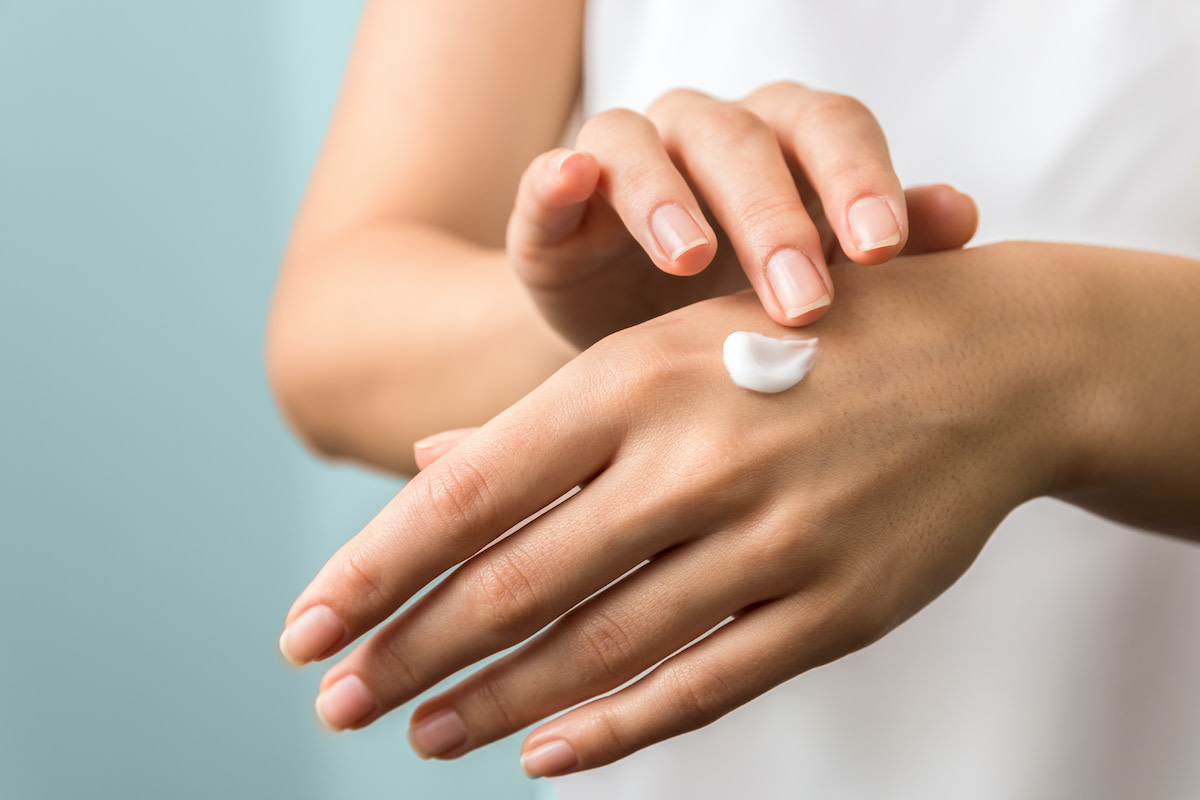
- 1. You apply the humectant. The first step to a humectant is topical application, during which you spread a thin layer on the surface of your skin.
- 2. The humectant attracts moisture. Once the humectant undergoes exposure to air, it begins to attract moisture from both the surrounding oxygen and from the deeper layers of your skin, drawing the moisture to the skin’s surface.
- 3. The moisture remains on your skin. After the humectant draws moisture, this moisture remains on your skin surface to keep your skin hydrated longer, reducing water loss throughout the day. Hydrating your skin can have anti-dryness and anti-aging effects, creating a more even skin texture and a healthier look with fewer fine lines or dry patches.
Before incorporating a new personal care product into your skincare routine, consult a dermatologist or other licensed dermatology professional.
How Do Humectant Creams Differ From Other Moisturizers?
The three main types of moisturizing ingredients in skincare (humectants, emollients, and occlusives) work in different ways: While humectants are moisture-attracting ingredients, emollients (like shea butter and oils) are lipids that fill in and restore the skin barrier, and occlusive moisturizers (like waxes, lanolin, silicones, white petrolatum, mineral oil, and dimethicone) are ingredients that create a physical barrier against drying.
Before Starting a New Skincare Regimen
Individuals experience different levels of sensitivity to ingredients found in various skincare products. To prevent adverse reactions, consult a dermatologist before applying a new product to your skin. This article is for educational and informational purposes only, and is not a substitute for professional medical advice.
Learn More
Get the MasterClass Annual Membership for exclusive access to video lessons taught by the world’s best, including Bobbi Brown, RuPaul, Tan France, and more.


Emollients in Skincare: How Emollients Work
Apr 6, 2022

Moisturizers for Different Skin Types: 3 Types of Moisturizer
Sep 8, 2021

Noncomedogenic Products: Definition and Benefits
Jan 27, 2022

How to Layer Skincare: 9 Skincare Routine Steps
Feb 21, 2022

Crepey Skin: Definition, Causes and Treatment
Nov 15, 2022

AHA vs. BHA: Differences Between the Skincare Exfoliants
Sep 15, 2021
Other articles
How Copper Peptides Work: Skincare Uses for Peptides
Sep 9, 2021
Learn About Hyaluronic Acid: How to Use Hyaluronic Acid
Jul 22, 2021
How to Keep Lips Moisturized: 8 Tips to Avoid Dry Lips
Feb 4, 2022
Dry Skin Care Tips: How to Treat Dry Skin
Mar 9, 2022
Retinol vs. Retinoids: Comparing the Skincare Ingredients
Sep 23, 2021
What Is Microneedling? How Microneedling Works
Sep 14, 2021