How to Grow and Care for Lavender
Written by MasterClass
Last updated: Jun 7, 2021 • 2 min read
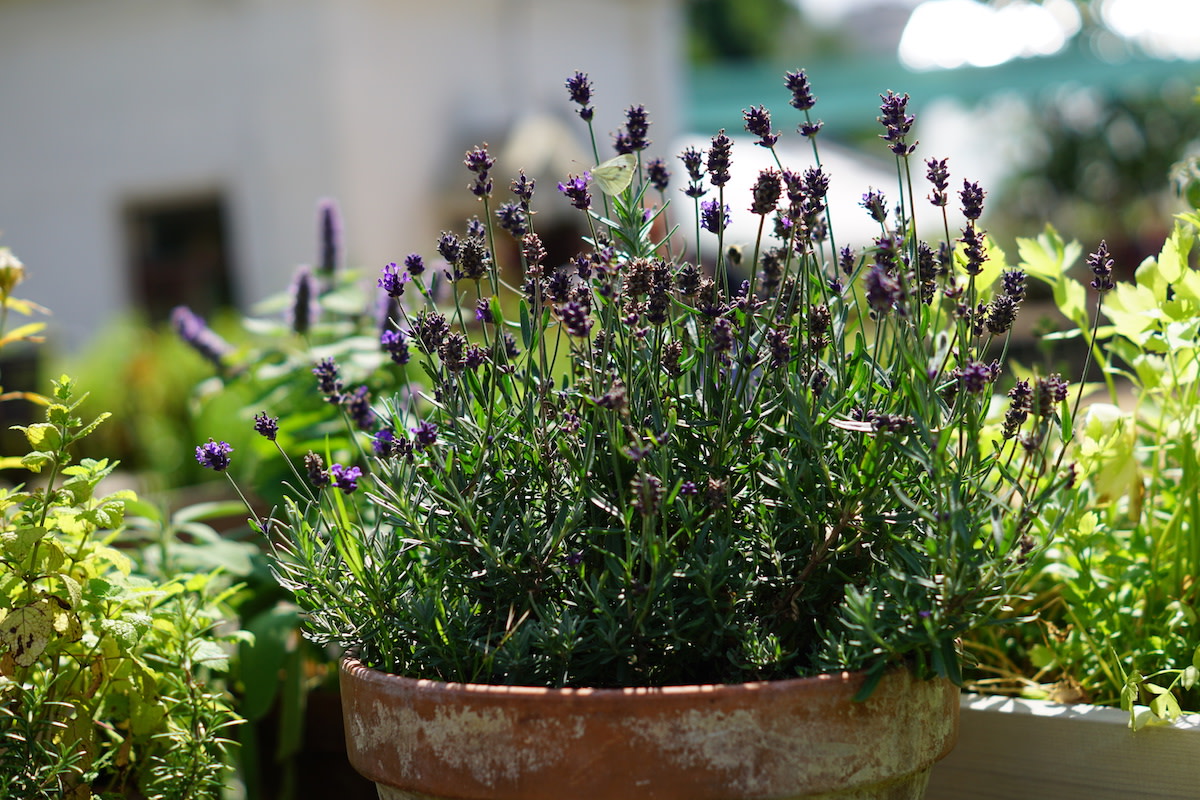
Lavender is a famously fragrant flower that is low-maintenance and incredibly versatile: Steep lavender in simple syrup for botanically-inspired cocktails, dry them for sachets of potpourri, or transform them into essential oils for easy, DIY aromatherapy.

Learn From the Best
What Is Lavender?
Lavender is an herb in the mint family, which also contains rosemary, sage, and thyme. Lavender is grown in gardens as an ornamental plant, for its fragrance, and for its many culinary uses. Lavender lends an herbaceous floral flavor to a range of dishes, as well as a pop of color that dresses up any plate.
How to Plant Lavender
With bushy evergreen foliage and flower spikes ranging from deep purple flowers to a dusky gray-blue, growing lavender is also a great way to attract pollinators to the surrounding herb garden.
- 1. Choose the right type of lavender. Lavender varieties differ in suitability for specific regions, or zones, depending on how cold-hardy or heat tolerant they are. The most common is English lavender (Lavandula angustifolia; look for Hidcote or Munstead lavender), or Mediterranean varietals like Spanish lavender (Lavandula stoechas), or French lavender (Lavandula dentata, or a hybrid known as Grosso lavender). Consult a local nursery or gardening store for advice on which varieties will grow best in your area.
- 2. Time it right. Plant lavender in early spring, after the soil has warmed. Lavender needs full sun and good drainage, so scout out sunny locations for raised beds or pots.
- 3. Plant. Lavender plants are drought-tolerant and thrive even in poorly fertilized soils, but perking up potting soil with a few handfuls of organic matter like compost never hurts. Remove the root ball from its container, and gently massage to loosen before placing deep enough in soil to meet the lowest stems. If planting lavender in a garden bed, space plants a few feet apart to give them enough room to spread out as they grow.
3 Tips on Caring for Lavender
- 1. Water consciously. Water young lavender once or twice a week, depending on the weather—more mature plants will only need water once every two or three weeks, until flower buds appear, at which point they can be watered more frequently.
- 2. Trim it back. Prune regularly to encourage new growth, trimming the top third of the plant when new green shoots appear at the base.
- 3. Harvest in the morning. When half the flower buds have opened, it’s a good time to harvest: Cut in the morning (this is when the fragrant oils are most potent), leaving stems as long as possible. Gather into neat bunches with rubber bands or string, and hang to dry in a cool spot with good air circulation. The blossoms are now ready to use however you’d like.
Learn More
Grow your own food with Ron Finley, the self-described "Gangster Gardener." Get the MasterClass Annual Membership and learn how to cultivate fresh herbs and vegetables, keep your house plants alive, and use compost to make your community - and the world - a better place.


13 Types of Lavender Plants: Varieties of Lavender for Gardens
Dec 15, 2021

Lavender Companion Planting: 5 Plants to Grow With Lavender
May 15, 2020

Spanish Lavender Care Guide: How to Grow Spanish Lavender
Sep 24, 2021

Learn How to Cook With Lavender, Plus 10 Recipes That Use Culinary Lavender
Jun 19, 2019

How to Grow Sage in Your Home Garden
Apr 15, 2020

How to Grow Baby’s Breath From Seeds and Cuttings
Aug 28, 2020
Other articles
Wisteria Care Guide: How to Grow Wisteria in Your Garden
Jun 1, 2021
How to Grow Lemongrass in Your Home Garden
Jul 16, 2020
English Daisy Care Guide: How to Grow English Daisies
May 3, 2021
Bachelor’s Button Guide: How to Grow Bachelor Button Flowers
Apr 14, 2021
Eucalyptus Care Guide: How to Grow Eucalyptus Plants
Jun 1, 2021
What Is Epsom Salt? How to Use Epsom Salt
Aug 31, 2021