How to Cook With Rose Water: 6 Ways to Use Rose Water
Written by MasterClass
Last updated: Jun 7, 2021 • 2 min read
Flowers have long held a place in the kitchen. With a long history extending deep into Middle Eastern cuisine, aromatic blossoms offer cooks a way to give dishes an elegant, clarifying lift. Which is the fairest flower of them all in the kitchen? Enter the rose.

Learn From the Best
What Is Rose Water?
Rose water is water that has been flavored with the distilled essence of rose petals. Islamic chemists first figured out how to distill rose petals to their essence in the tenth century, where rose water was initially used as a hand sanitizer because of its antibacterial properties. Modern rose water is made through a process called steam distillation, where rose petals are steeped in water to extract their essential oils.
Rose water is mostly known as a dominant ingredient in many skin-care regimens as a toner or cleanser, but it is also used in hair products, plant medicine, and cooking.
What Does Rose Water Taste Like?
Rose water has a predominantly floral flavor that is not quite savory, and not quite sweet. The subtle floral aroma that rose water exudes can add a fuller sensory experience to any meal.
Where to Find Rose Water
Due to its dominance in Middle Eastern cooking, pure rose water is typically found alongside orange blossom water and pomegranate syrup in the ethnic foods section of the grocery store. Some stores also stock rose water in the sweetener or baking aisle with items like almond and vanilla extract.
6 Ways to Use Rose Water
Rose water adds lift and floral aroma to a number of desserts across the world. It’s integral to Greek baklava, soft, gummy Turkish Delight, Persian rice pudding, and French pastries and macarons.
- 1. Balance savory spices. Rose water can be used to round off more intensely savory spices like saffron, and provide a high note to more mellow flavors like roasted pistachios and honey. Rose water is incredibly potent and using too much can overpower other flavors—a little goes a long way.
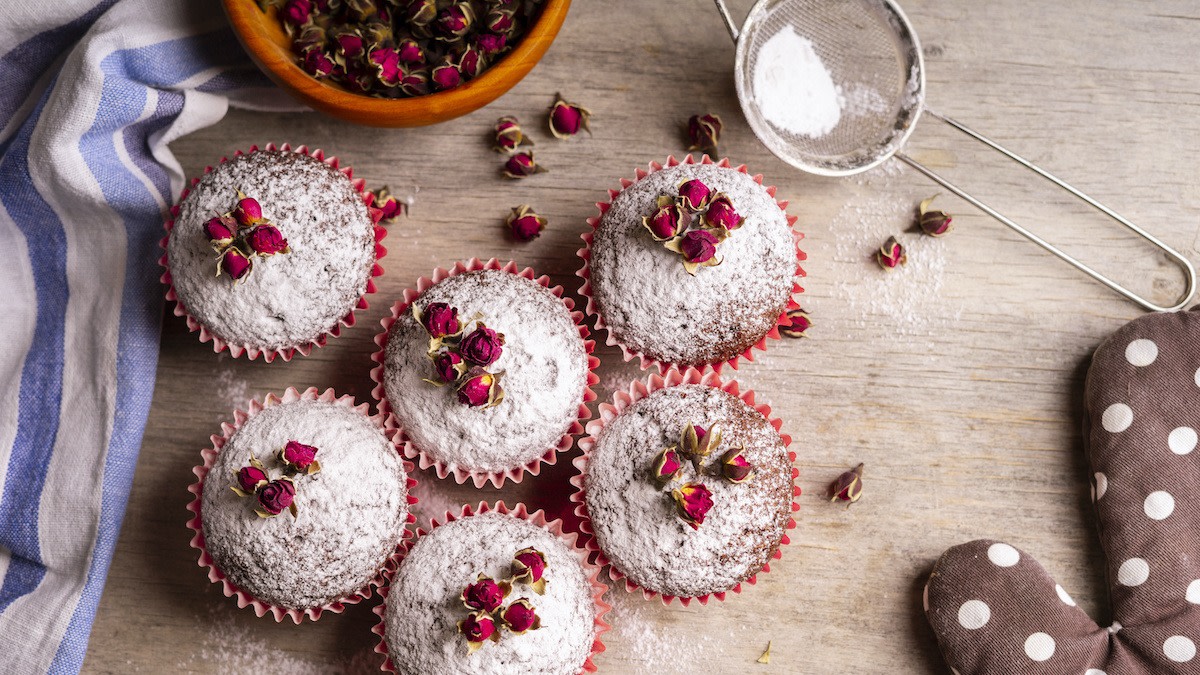
- 2. Add to frosting. Add a teaspoon of rose water to homemade buttercream frosting for an elegant, botanically-inspired finishing touch on cakes or cupcakes.
- 3. Add to ice cream. Take vanilla ice cream to a new level of flavor by adding in some rose water and a sprinkle of cardamom.
- 4. Add to jams and compotes. Rose water can add a new dimension to the tangy-sweet notes of a homemade jam or compote with rhubarb, strawberry, and raspberry.
- 5. Add to baking recipes. Old-fashioned apple pie and pound cake recipes called for a dash or two of rose water: Revive the tradition by adding rose water to your next baked creation.
- 6. Add to cocktails. Rose-flavored tonics and artisanal sodas have become increasingly popular in recent years. Add a splash of rose water to a gin and tonic or a margarita to shift the vibe of a favorite cocktail.
Want to Learn More About Cooking?
Become a better chef with the MasterClass Annual Membership. Gain access to exclusive video lessons taught by culinary masters, including Gabriela Cámara, Chef Thomas Keller, Massimo Bottura, Dominique Ansel, Gordon Ramsay, Alice Waters, and more.


Are Roses Edible? 6 Culinary Uses for Roses
Apr 6, 2022

How to Make Saffron Water: Ottolenghi’s Saffron Water Recipe
Dec 15, 2020

Bahārāt Recipe: 3 Ways to Use Bahārāt in the Kitchen
Dec 11, 2020

How to Eat and Cook With Nigella Seeds
Dec 11, 2019

33 Edible Flowers: How to Use Edible Flowers
Feb 2, 2022

Moss Rose Care Guide: How to Grow Moss Roses
Apr 7, 2021
Other articles
Guide to Dates: How to Use This Sticky-Sweet Dried Fruit
May 19, 2020
Rose Petal Jam Recipe: How to Make Persian Rose Jam
Mar 30, 2021
Sugared Cranberries Recipe: How to Use Sugared Cranberries
Oct 27, 2021
Yotam Ottolenghi’s Rose Harissa: Homemade Harissa Recipe
Dec 18, 2020
Ras El Hanout Recipe: 5 Ways to Use Ras El Hanout
Feb 2, 2022
How to Cook With Turmeric, Plus Easy Turmeric Tonic Recipe for Everyday Use
Apr 24, 2019