Goldenrod vs. Ragweed: How to Identify Goldenrod vs. Ragweed
Written by MasterClass
Last updated: Dec 2, 2021 • 2 min read
Goldenrod and ragweed are often blamed for causing seasonal allergies, but it’s typically ragweed pollen, not goldenrod pollen, that causes hay fever.

Learn From the Best
What Is Goldenrod?
Goldenrods are species of wildflowers belonging to the Asteraceae family and Solidago genus. They're commonly found along roadsides and in open fields, partnered with other blooming asters and sunflowers. Though they are herbaceous perennial flowers, their rapid growth rate and prevalent spreading habit contribute to their misidentification as invasive weeds. There are more than a hundred species of goldenrod native to North America.
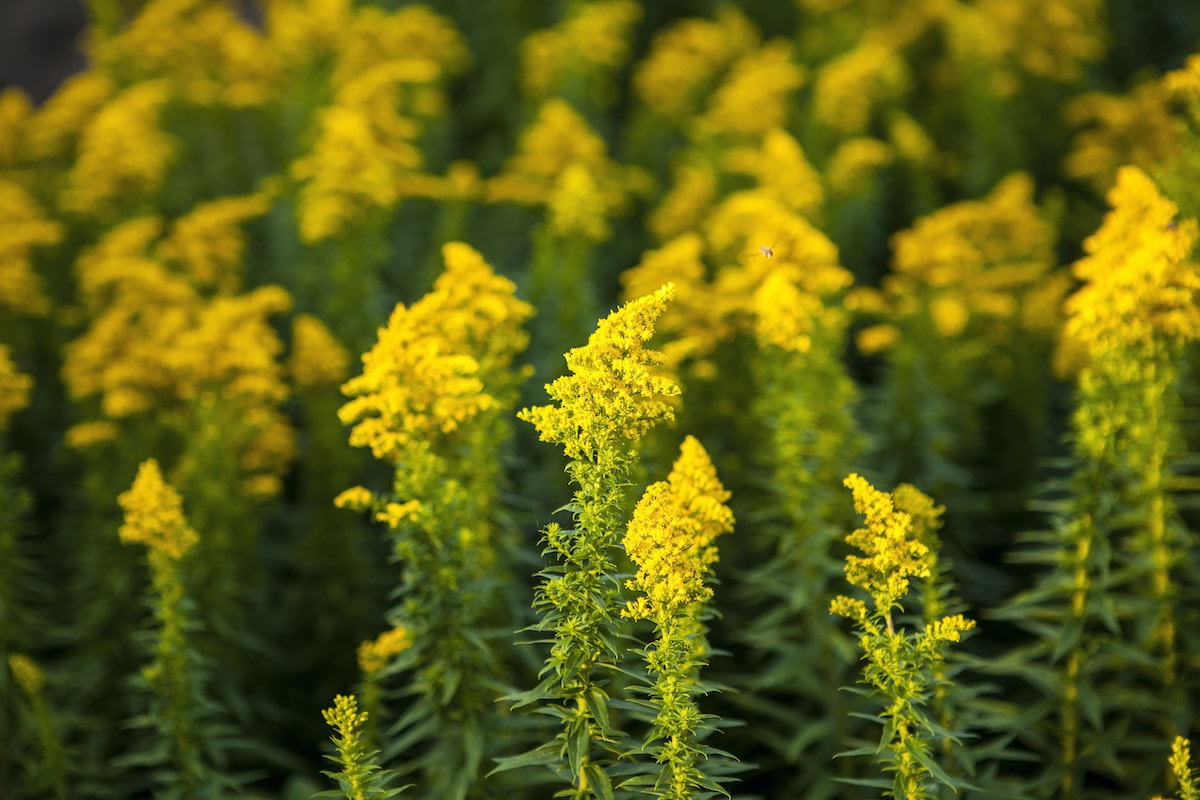
Goldenrod flowers differ depending on the goldenrod species. Generally speaking, goldenrod plants produce tall, slender, green stems with bright yellow flower spikes. Goldenrod blooms in late summer and early fall. Though it is rare, some hay fever sufferers report having allergic reactions to goldenrod pollen. However, it is more likely that seasonal allergy symptoms—such as sneezing, sniffling, runny nose, and itchy eyes—are caused by goldenrod's close cousin, the ragweed plant.
What Is Ragweed?
Ragweed is an invasive weed belonging to the Asteraceae family and Ambrosia genus. There are about twenty different species of ragweed native to North America. Common ragweed plants produce tall, slender stems with green flower spikes. Ragweed flowers do not contain nectar and blend in easily with the surrounding landscape.
Ragweed plants do not rely on pollinators to spread. Instead, their pollen grains can easily be carried by the wind for several miles. A single ragweed plant could produce upwards of a billion pollen grains. The pollen produced by ragweed is a hazardous allergen that can cause allergic reactions—especially among hay fever sufferers. Typical symptoms of an allergy to ragweed include sneezing, sniffling, runny nose, and itchy eyes.
Goldenrod vs. Ragweed: What’s the Difference?
There are several similarities between ragweed and goldenrod. They both belong to the aster family of flowering plants, they bloom at the same time of year, and they can be found among ditches, roadsides, and fields.
However, there are a couple of key differences that make it easy to tell them apart. Goldenrod produces bright yellow flowers (the color of sunflowers) and attracts pollinating insects such as monarch butterflies and bees. Ragweed, on the other hand, produces green flowers and does not attract pollinators. Goldenrod’s vibrant blooms make it stand out from the landscape, which is why it often gets blamed for causing seasonal allergies. However, ragweed plant is much more likely to be the culprit causing your hay fever symptoms.
Learn More
Grow your own garden with Ron Finley, the self-described "Gangster Gardener." Get the MasterClass Annual Membership and learn how to cultivate fresh herbs and vegetables, keep your house plants alive, and use compost to make your community—and the world—a better place.


How to Stop Your Dog From Licking Their Paws Excessively
Dec 6, 2021

Dry Skin on Dogs: How to Treat and Prevent Dry Skin on Dogs
Mar 30, 2022

Japanese Barberry Guide: How to Control Japanese Barberry
Aug 13, 2021

Oxeye Daisy Guide: How to Grow and Care for Oxeye Daisies
Apr 26, 2021

What Is Gluten? Foods With Gluten and Health Considerations
Jan 19, 2023

How to Get Rid of Dog Dandruff: 4 Methods
Feb 9, 2023
Other articles
How to Attract Bees to Your Garden: 14 Plants for Pollinators
May 26, 2020
Poison Oak Guide: How to Identify Poison Oak and Treat Rashes
Jun 15, 2021
Sensitive Skin Symptoms: 5 Tips to Manage Sensitive Skin
Feb 17, 2022
Mimosa Tree: 3 Benefits of Growing Mimosa Trees
Jan 3, 2022
English Ivy Plant Guide: How to Grow English Ivy
Nov 4, 2021
7 Types of Honey: How to Use Different Types of Honey
Dec 21, 2021