Garland Pose: How to Practice Garland Pose in Yoga
Written by MasterClass
Last updated: Dec 14, 2021 • 3 min read
Garland pose is a yoga posture that helps to open your hips and improve your range of motion. It stimulates the Apāna Vayu, the body's downward energy flow.

Learn From the Best
What Is Garland Pose?
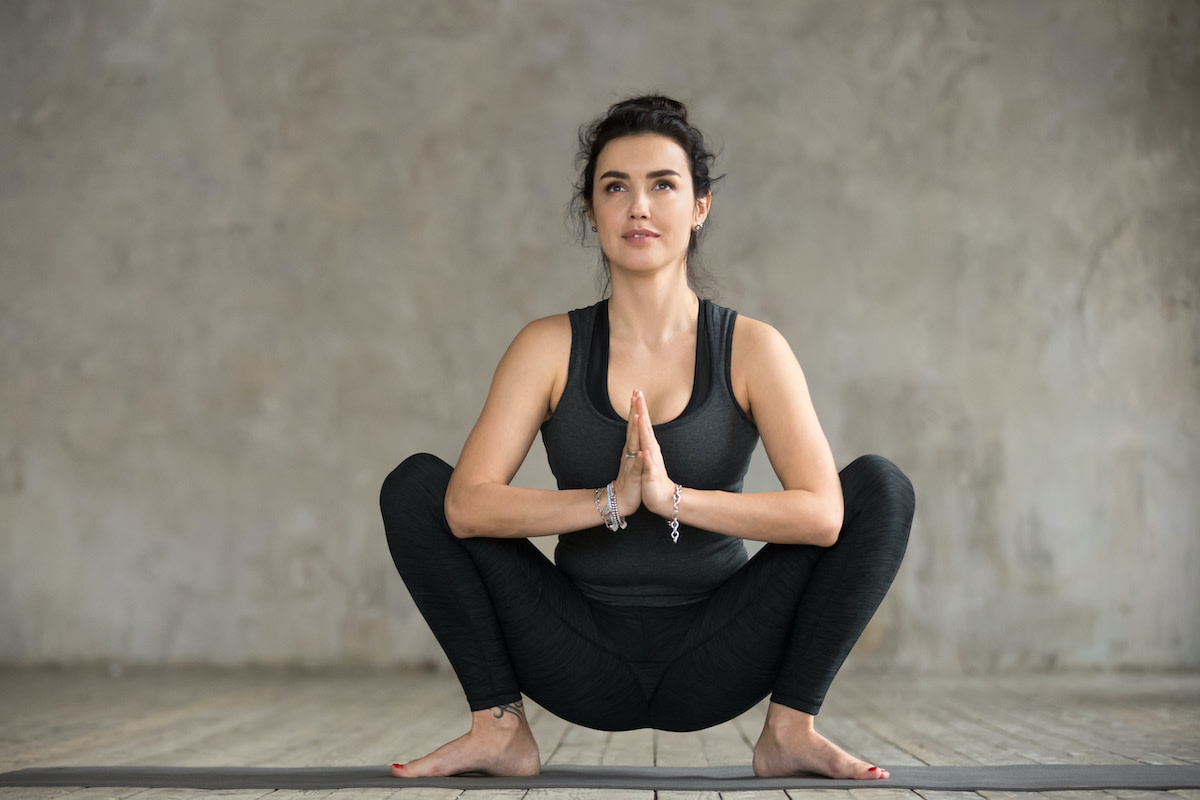
The garland pose is a yoga posture that stretches the thighs, groin, legs, and ankles. Garland pose is a hip-opener for which you lower into a squat and lean your torso forward between your thighs, using your elbows to gently push and widen the hips and pelvic area. Advanced students keep their feet close together during the squat, leaning forward to touch their foreheads to the yoga mat. While you can exit Malasana with a forward fold, yoga teachers often use this asana to transition into Bakasana, also known as the crow pose or crane pose.
Known in Sanskrit as Malasana, garland pose is low, deep squat is practiced in many yoga classes, including Hatha, Iyengar, and Vinyasa styles. “Malasana” has its roots in the Sanskrit word "mala," which has different meanings depending on its pronunciation. It can refer to a garland (prayer beads) or to an impurity or waste. The garland pose is also called the wide squat or the birth pose because the squatting position can help to widen the birth canal during labor.
How to Do Garland Pose in Yoga
Practice the garland pose on a yoga mat, using a blanket and blocks as props if needed. Begin with these step-by-step instructions.
- Start in Tadasana. Begin in mountain pose. Make sure your feet are slightly wider than hip-width. They may point outward slightly, but try to keep them parallel.
- Descend. Bend your knees and lower into a squat.
- Lean forward. With your torso between your inner thighs, bring your hands to Anjali Mudra prayer position at the heart center. Touch your elbows to your inner knees and keep your forearms parallel to the ground.
- Push out. Gently push your inner knees with your elbows to open the pose wider and feel the stretch.
- Widen your posture. Relax your shoulders and keep your spine straight. Lift your chest away from your navel and keep your neck long, gazing ahead. Think about lengthening and widening your posture. Maintain a solid foundation in your feet, leaning into the outer edges and heels.
- Inhale and exhale. Steady your breathing as you hold the pose. Start with twenty seconds if you're new to the pose and gradually build your endurance. Return to standing. Inhale and bring your hands to your yoga mat. With your toes pointed forward, move into Uttanasana (forward bend) and return to Tadasana (mountain pose).
Garland Pose Modifications
Like many yoga poses, the garland pose can be modified. Place a folded blanket under your heels for support if it's difficult to keep them on the ground. You can also sit on a couple of blocks if it's hard to squat. For balance, touch your fingertips to your yoga mat or hold the back of a chair. If you have low back or hip pain or a knee injury, consult your doctor before practicing this pose.
Advanced students can deepen the asana. Lean forward further until your armpits reach beyond your knees. Tuck your torso between your inner thighs so your shins are in your armpits. Clasp your ankles from the outside, and lean forward until your forehead touches the yoga mat. Press down on the ground with your inner heels, keeping your thighs close to the side of your body.
Purpose of Garland Pose
This pose stimulates the Apāna Vayu, which, according to yoga tradition, is the energy that flows downward and outward from the body. The Apāna Vayu helps to release impurities and waste that no longer serve you, balancing the body and clearing your mind. This makes Malasana a grounding, calming posture.
There are also many physical benefits of garland pose, especially for those who experience tightness from sitting for long periods of time. This squat pose helps strengthen the abdominals and improve range of motion by creating space in the hip flexors, thighs, groin, and torso.
Ready to Learn More About Yoga?
Unroll your mat, get a MasterClass Annual Membership, and get your om on with Donna Farhi, one of the most celebrated figures in the world of yoga. Follow along as she teaches you the importance of breathing and finding your center as well as how to build a strong foundational practice that will restore your body and mind.


How to Do Crow Pose: 5 Crow Pose Variations
Mar 25, 2021

How to Do Frog Pose: 4 Tips for Properly Performing Frog Pose
Feb 19, 2021

How to Practice the Moon Salutation Sequence in Yoga
Apr 30, 2021

How to Do Fish Pose: 5 Fish Pose Modifications
Apr 26, 2021

How to Do Camel Pose: 3 Ways to Modify Camel Pose
Apr 26, 2021

Ashwa Sanchalanasana: Equestrian Pose Benefits and Tips
Jan 11, 2022
Other articles
Chair Pose in Yoga: 5 Benefits of Utkatasana
Apr 26, 2022
Plank Pose: How to Do Plank Pose in Yoga
Apr 29, 2022
How to Do Uttanasana: 3 Benefits of Standing Forward Fold
May 13, 2021
Tadasana: How to Do Tadasana Pose in Yoga
Mar 4, 2021
How to Do Mountain Pose: 4 Tips for Performing Mountain Pose
Feb 18, 2021
Hero Pose: How to Perform Virasana in 6 Steps
Jan 10, 2022