Fukujinzuke Recipe: 3 Foods to Pair With the Tangy Relish
Written by MasterClass
Last updated: Oct 26, 2026 • 2 min read
A mixed bag of bright, boldly seasoned main ingredients makes fukujinzuke a must-have condiment, no matter the menu.

Learn From the Best
What Is Fukujinzuke?
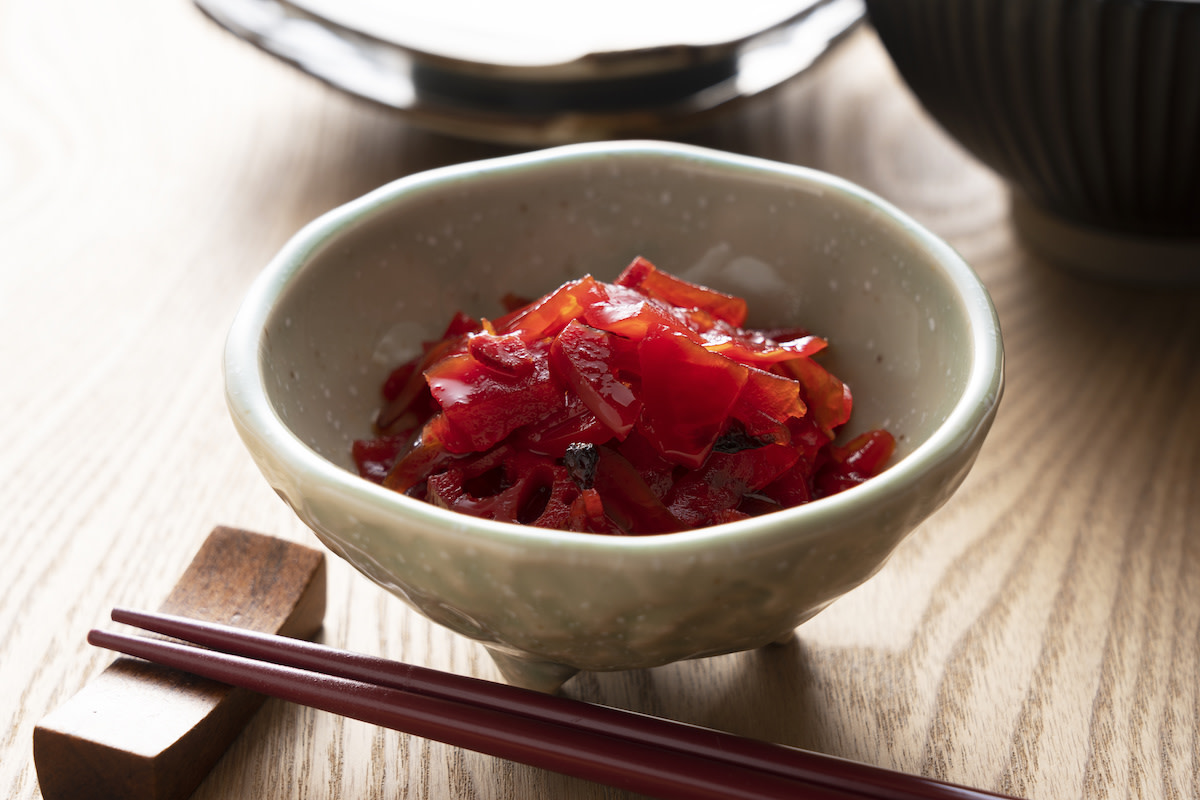
Fukujinzuke is a tangy blend of pickled vegetables served as a side dish alongside many Japanese meals. Pickled daikon radish makes up the bulk of most fukujinzuke blends, which can also include cucumber, carrot, eggplant, ginger, lotus root, shiitake mushrooms, shiso seeds (perilla), sword beans, and turnips. The popular curry condiment, which often features seven ingredients, is said to take its name from the Seven Lucky Gods (shichi fukujin) of Japanese lore, bringers of good luck.
Unlike other Asian pickled vegetables, like Korean kimchi, or even other Japanese pickles (tsukemono), fukujinzuke is not fermented: The ingredients are marinated in a mixture of soy sauce, mirin, rice vinegar, and sugar (and in the case of commercial fukujinzuke, food coloring). You can find packages of pre-made fukujinzuke online or in Japanese grocery stores.
3 Foods to Serve with Fukujinzuke
Use fukujinzuke to add lift to heavy, rich dishes or brighten plain ones. Start with a few of these classics of Japanese cuisine:
- 1. Japanese curry: Fukujinzuke is most often served with Japanese curry rice or katsu curry. The relish’s crunchy texture, brightness, and sour flavor serve as a unique contrast to the rich, creaminess of the curry.
- 2. Noodles: Serve fukujinzuke alongside a bowl of ramen, as a garnish on yakisoba, or alongside chilled soba for an added boost of umami flavor.
- 3. Steamed rice: Fukujinzuke is a popular way to add bright pops of flavor to a bowl of cooked rice or tucked into onigiri (steamed rice balls with a savory filling).
Fukujinzuke Recipe
makes
2 1/2 cupsprep time
20 mintotal time
30 mincook time
10 minIngredients
- 1
Slice the daikon, cucumber, lotus root, ginger, and carrot, and then cut them into relatively equal small strips or half moons. Transfer them to a large bowl. Season with salt, and mix to combine. Let sit for 10 minutes.
- 2
Meanwhile, combine soy sauce, mirin, rice vinegar, and sugar in a medium saucepan.
- 3
Rinse the salted vegetables, and squeeze out any excess water. Add them to the pot, and bring the marinade to a low boil.
- 4
Remove the pan from the heat, and let it cool. Transfer the pickle to an airtight container along with the kombu. Store it in the refrigerator for at least 24 hours before serving.
Become a better chef with the MasterClass Annual Membership. Gain access to exclusive video lessons taught by culinary masters, including Niki Nakayama, Gabriela Cámara, Chef Thomas Keller, Yotam Ottolenghi, Dominique Ansel, Gordon Ramsay, Alice Waters, and more.


Japanese Cooking 101: 17 Pantry Essentials for Japanese Cuisine
Jul 15, 2020

Futomaki Recipe: How to Make Homemade Futomaki
Mar 10, 2021

Tsukemono Guide: How to Prepare Japanese Pickles
Mar 16, 2021

Oyaki Recipe: 5 Common Fillings for Japanese Dumplings
May 19, 2021

Beni Shoga Recipe: How to Make Japanese Pickled Ginger
Mar 22, 2021

How to Use Takana in Your Cooking
Feb 24, 2021
Other articles
Tsukudani Recipe: How to Make Japanese Kombu Tsukudani
Apr 27, 2021
Vegetarian Bibimbap Recipe and 3 Cooking Tips
Apr 20, 2022
Simple Homemade Yakisoba Sauce Recipe
May 7, 2021
Menma Recipe: How to Make Seasoned Bamboo Shoots
Dec 10, 2021
Nukadoko: How to Make Japanese Fermented Rice Bran Pickles
Jan 19, 2022
Saba Shioyaki Recipe: How to Make Japanese Grilled Mackerel
Apr 6, 2021