What Is Mirepoix? How to Make Mirepoix and Easy Mirepoix Recipe
Written by MasterClass
Last updated: Oct 9, 2026 • 3 min read
Many chefs consider mirepoix to be the key ingredient for adding that extra umph to a dish. It’s the secret sauce; the essential ingredient; the reason your food tastes so good. Mirepoix plays an important role in flavoring soups, stews, casseroles, braised meats, and marinades.

Learn From the Best
What Is Mirepoix?
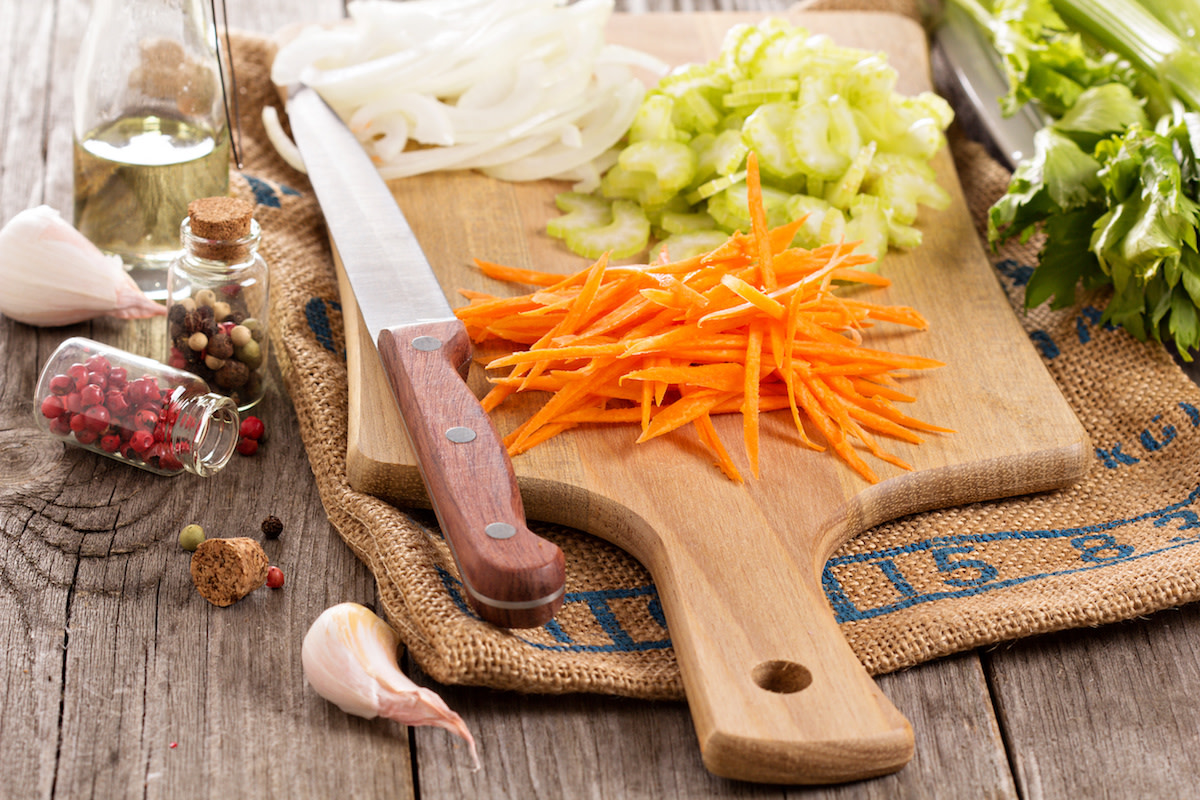
Mirepoix (pronunciation: meer-PWAH) is the aromatic flavor base made by lightly cooking onions, celery, and carrots. The vegetables are cooked slowly in butter or oil in order to coax out the flavors without browning or caramelizing them. Mirepoix is traditionally used as a flavoring ingredient, which means the vegetables are typically strained out or removed from the final dish before the end of the cooking process.
The word mirepoix comes from the last name of a French aristocrat, the Duke Charles-Pierre-Gaston François de Lévis, duc de Lévis-Mirepoix, whose cook is credited with establishing this mix of ingredients as a staple in French cooking in the eighteenth century.
5 Common Mirepoix Variations
Mirepoix is the classic French combination of aromatic vegetables, but other cuisines around the world have their own variations. Here are five other aromatic bases you might encounter.
- 1. Cajun Holy Trinity: An aromatic base used in the American South, the holy trinity consists of onion, green bell pepper, and celery in the following ratio: two parts onion, one part green bell pepper, and one part celery.
- 2. Italian Soffritto: This variation on mirepoix uses minced rather than diced vegetables, and is typically cooked in olive oil (not butter) until the vegetables are soft and brown.
- 3. Spanish Sofrito: A basic Spanish red sauce that combines tomatoes, onions, garlic, and other vegetables (like bell peppers or herbs, for example).
- 4. French Pinçage: French pinçage (pronounced pin-sahge) is mirepoix with tomato paste added. It’s a great option for adding mirepoix to sauces.
- 5. German Suppengrün: Suppengrün means “soup greens” in German, and includes carrots, leeks, and celery root (celeriac). It can also include herbs like parsley or thyme, as well as other root veggies like onions and rutabaga.
What Do You Need to Make Mirepoix?
In a truly traditional mirepoix, the ratio of ingredients is determined by weight. So, for example, two pounds of mirepoix would be 16 ounces of onions, eight ounces of carrots, and eight ounces of celery. Home cooks need not be so precise, however. If you don’t have a kitchen scale, you can use measuring cups to approximate your ratios: for instance, 2 cups onion, one cup carrots, and one cup celery.
How to Make Mirepoix
The classic French version of mirepoix includes onions, carrots, and celery in the following ratio: two parts onions, one part carrots, and one part celery. To make mirepoix, start by chopping the carrot, onion, and celery roughly. (If the mirepoix will be strained out of your final dish, it’s not strictly necessary to peel your carrots.) In general, the finer you chop the veggies, the quicker the aroma and flavors will be released. A good way to gauge how finely to chop the vegetables is the length of your recipe: choose a smaller chop for shorter cooking times and a larger chop for longer cooking times. Whatever size you choose, make sure to cut everything approximately the same size so that your vegetables cook evenly.
Classic mirepoix is cooked in butter over low heat or medium-low heat. If you’re making a meat dish, it’s customary to sear the meat first and then use that fat to cook the onion, carrots, and celery. You don’t want to brown your vegetables: instead, cook them until they’re soft, fragrant, and translucent. When your mirepoix is finished, you’ll have a foundation you can build on with the other ingredients that will flavor your stock or sauce, including stock, herbs, additional vegetables, and proteins.
Cooking With Mirepoix
Want to try your hand at a dish that uses mirepoix? Try Gordon Ramsay’s recipe for salmon with shellfish minestrone.
Basic Mirepoix Recipe
makes
prep time
10 mintotal time
20 mincook time
10 minIngredients
- 1
Prepare your vegetables. Scrub and rinse carrots and celery, then dry with a clean cloth. Trim root ends and tips.
- 2
Chop your vegetables. Roughly chop onions, carrots, and celery according to your recipe. Use a smaller size (¼-inch to ⅛-inch) for sautéed recipes, a medium size (½-inch to ¾ inch) for soups or stews, and a larger size (1-2 inches) for stock or broth.
- 3
Cook your vegetables. Melt butter in a sauté pan or skillet over medium-low heat. Add vegetables, adjusting heat to keep them from browning. Cook, stirring occasionally, until soft and translucent, about 10 minutes.
Become a better chef with the MasterClass Annual Membership. Gain access to exclusive video lessons taught by culinary masters, including Gordon Ramsay, Chef Thomas Keller, Massimo Bottura, and more.


How to Cook With the Cajun Holy Trinity
Jun 8, 2020

How to Make Italian Soffritto: Italian Soffritto Recipe
Jun 22, 2020

What Is Cooking à la Matignon? Learn How to Matignon Vegetables
Jun 25, 2019

What Is Veal Stock? Tips and Tricks for Making and Cooking With Veal Stock
May 30, 2019

How to Freeze Celery: 4 Ways to Use Thawed Celery
Jun 24, 2021

What Is a Bouquet Garni? Easy Homemade Bouquet Garni Recipe, Plus Tips for Cooking With Bouquet Garni
Jun 21, 2019
Other articles
Aromatics in Cooking: How to Use Aromatics
May 27, 2022
Cooking 101: Stocks vs. Broths and How to Make 5 Different Stocks
Jun 11, 2019
How to Make Homemade Beef Stock: Easy Beef Broth Recipe
Jun 4, 2019
What Is Braising? How to Braise Meats and Vegetables
Apr 30, 2019
Quick and Easy Ratatouille Recipe: How to Make Slow Cooker Ratatouille in 5 Steps
Feb 1, 2019
How to Make Sofrito: Traditional Spanish Sofrito Recipe
Sep 29, 2020