Capellini vs. Angel Hair Pasta: What’s the Difference?
Written by MasterClass
Last updated: Feb 25, 2022 • 1 min read
When it comes to capellini vs. angel hair, the distinction between the two iconic Italian pastas is a matter of micrometers.

Learn From the Best
What Is Capellini?
Capellini pasta is a thin pasta noodle. It shares the same standard shape as regular spaghetti: cylindrical noodles cut into 12-inch long strands. While spaghetti’s long strands get their name from the Italian phrase for “little twine,” capellini means “little hairs.”
What Is Angel Hair?
Angel hair pasta (known in Italy as capelli d’angelo) is the thinnest variety of spaghetti. Angel hair has a reputation for congealing and turning mushy when cooked; for best results, remove the pasta from the boiling water just before it turns al dente—a minute or so less than the package instructs—and transfer directly into the sauce.
Alternatively, run the pasta under cool water to stop the cooking process and coat the cooled strands with a bit of olive oil to prevent sticking.
What Is the Difference Between Capellini and Angel Hair?
The only difference between these two types of pasta is width: capellini’s diameter is anywhere between 0.85 and 0.92 millimeters, while angel hair measures between 0.78 and 0.88 millimeters. The thickest capellini pasta is only 140 micrometers larger than the thinnest angel hair pasta. (A micrometer is one-thousandth of a millimeter.)
How to Serve Capellini and Angel Hair Pastas
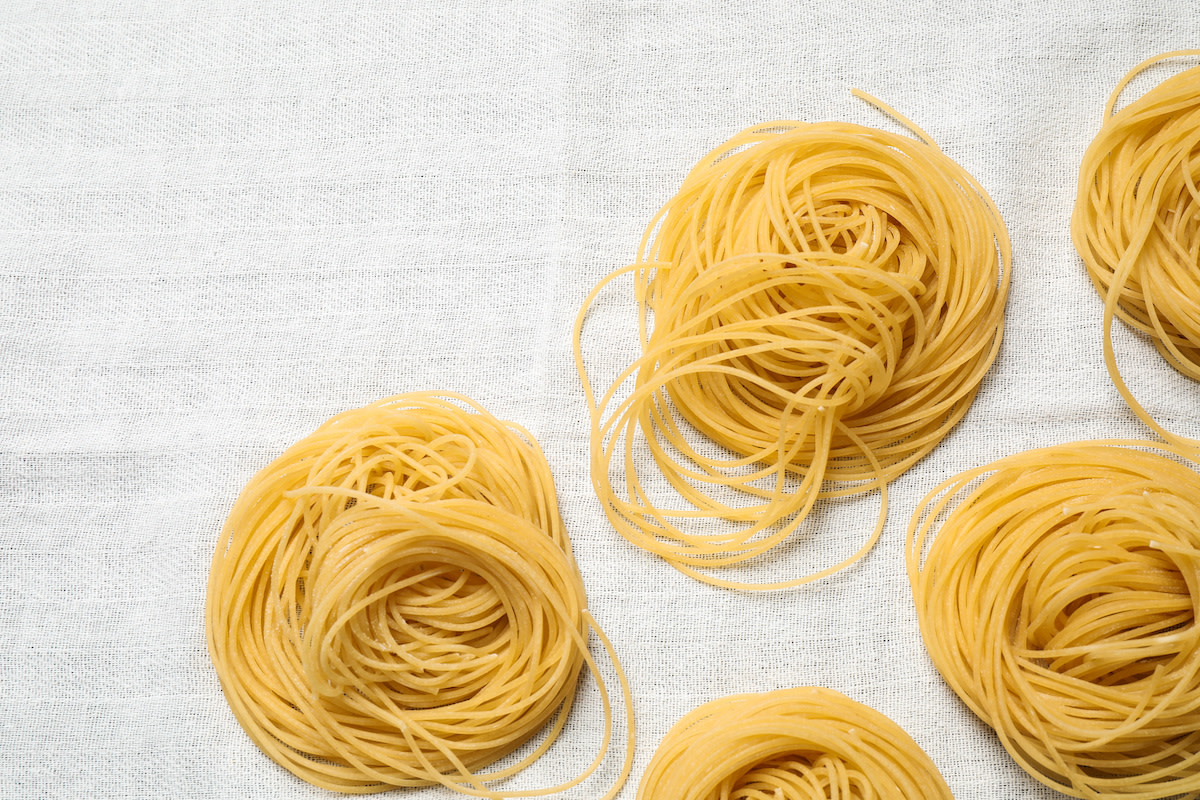
Like vermicelli and other thin pastas, delicate capellini and angel hair noodles often get shaped into a nest before drying. They are best suited to light sauces like basil pesto or a simple tomato sauce, but you can also add them to seafood soups or paired plain noodles with braised meat and roasted vegetables. Learn how to make this marinara sauce recipe, a classic pairing for angel hair.
Save thick sauces like primavera or ragù for wide, flat noodles like fettuccine, tagliatelle, lasagna, and linguine; thick strands like bucatini or spaghettoni; or tubular pasta shapes, like penne, macaroni, or rigatoni.
Want to Learn More About Cooking?
Become a better chef with the MasterClass Annual Membership. Gain access to exclusive video lessons taught by the world’s best, including Massimo Bottura, Gabriela Cámara, Niki Nakayama, Chef Thomas Keller, Yotam Ottolenghi, Dominique Ansel, Gordon Ramsay, Alice Waters, and more.


Linguine vs. Spaghetti: Comparing Linguine and Spaghetti
Oct 28, 2021

Pasta Guide: 28 Types of Pasta and How to Serve Them
Aug 28, 2020

Linguine vs. Fettuccine: Which Pasta Sauces Work Best?
Sep 10, 2021

Tagliatelle vs. Pappardelle Pasta: What’s the Difference?
Mar 9, 2022

Tortelloni vs. Tortellini: What’s the Difference?
Oct 22, 2021

Egg Noodles vs. Pasta: What Are the Differences?
Dec 1, 2021
Other articles
Marinara vs. Pizza Sauce: How to Use Marinara and Pizza Sauce
Oct 14, 2021
Ziti vs. Penne: Differences Between the Popular Pasta Types
Oct 26, 2021
Kale Noodles Recipe: 4 Ways to Enjoy Kale Noodles
Jun 8, 2022
Mostaccioli vs. Penne: Comparing Mostaccioli and Penne Pasta
Nov 18, 2021
How to Measure Pasta: 3 Methods for Measuring Pasta
Jan 14, 2022
Balayage vs. Highlights: Comparing the Hair Color Techniques
May 24, 2022