Can Dogs Eat Pizza? Why Dogs Shouldn’t Eat Pizza
Written by MasterClass
Last updated: Mar 8, 2022 • 2 min read
Learn about the side effects of pizza ingredients for your dog and why large amounts of pizza can be detrimental to your dog’s health.

Learn From the Best
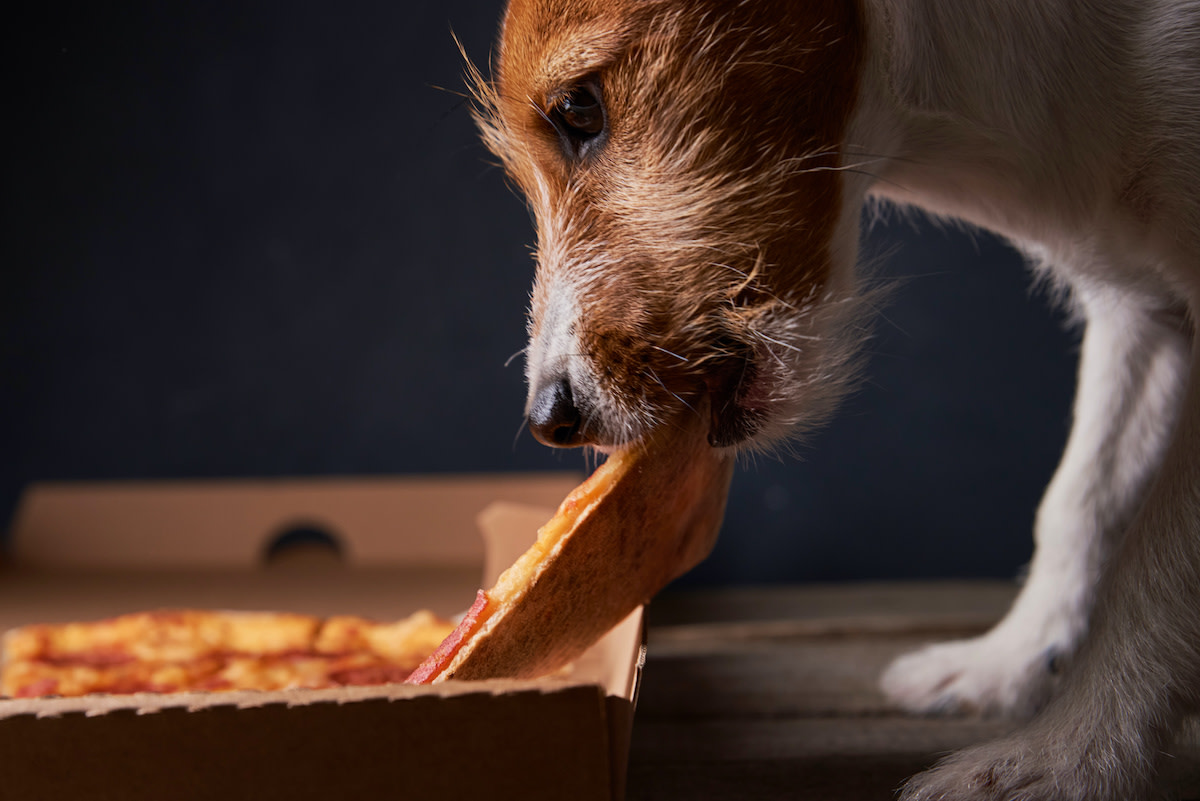
Is It Safe for Dogs to Eat Pizza?
As a short answer, no, it is typically not a good idea to give dogs pizza. Many of the most common ingredients found in pizza can cause health problems for your dog.
Why Is Pizza Bad for Dogs?
There are a number of pizza ingredients that can cause adverse side effects or even life-threatening issues for your dog.
- Tomato sauce: Ripe tomatoes can be a part of a dog's diet in moderation, but dogs should not eat tomato stems and leaves. Other ingredients added to tomato sauce can cause an upset stomach or abdominal pain for your dog. Some herbs, as well as onions and garlic, are not dog-friendly and can be toxic. The salt and sugar included in the sauce can also lead to obesity or blood pressure issues if consumed in large quantities.
- Onions and garlic: Onions and garlic are toxic to dogs. Onion powder is particularly potent, and garlic has five times the concentrated toxicity of onions and can lead to hemolytic anemia or a reduction of red blood cells.
- Cheese: The nutritional value of cheese can have some health benefits for dogs (in small quantities), but avoid feeding dogs cheese that has come into contact with other harmful ingredients found in pizza sauce or other human food. The calorie and fat content are very high in cheese, which can cause weight gain and pose health problems for the dog's body. Some dogs are lactose-intolerant, meaning the dog's stomach cannot digest dairy properly—even a low-fat cheese like mozzarella.
- Processed meat: Pepperoni, sausage, and other processed meat pizza toppings are typically high in salt and fat content due to their curing methods. Dogs should not consume cured meats in large amounts.
- Bread dough: There isn't anything inherently harmful in cooked or raw pizza dough, though most of it translates to empty calories and carbohydrates. If your dog ate pizza crust, there's not much cause for concern.
What to Do if Your Dog Eats Pizza
Dog owners should contact their vet if their dog has consumed a slice of pizza or the ingredients listed above and starts exhibiting problems with their digestive system or other health issues. Toxicity can take time to show negative effects, so watch for diarrhea, vomiting, lethargic behavior, unusual urination, appetite loss, or hyperventilation. Stick to dog food and avoid feeding your dog dairy products or any other pizza seasonings and ingredients listed above until you can give your dog a check-up.
Want to Learn More About Training the Goodest Boy or Girl?
Your dream of having a dog who understands words like “sit,” “stay,” “down,” and—crucially— “no” is just a MasterClass Annual Membership away. The only things you’ll need to train up a well-behaved pup are your laptop, a big bag of treats, and our exclusive instructional videos from superstar animal trainer Brandon McMillan.


Can Dogs Eat Pepperoni? 5 Health Risks for Dogs
Mar 18, 2022

Can Dogs Eat Coleslaw? 5 Health Risks of Coleslaw for Dogs
Aug 15, 2022

Can Dogs Eat Garlic Bread? Health Risks of Garlic for Dogs
May 6, 2022

Can Dogs Eat Onions? Why You Shouldn’t Feed Your Dog Onions
Mar 3, 2022

Can Dogs Eat Chocolate? Why Dogs Can’t Eat Chocolate
Mar 10, 2022

Can Dogs Eat Salami? Reasons to Avoid Feeding Dogs Salami
Mar 9, 2022
Other articles
Can Dogs Eat Saltine Crackers? 3 Risks of Eating Salt
Jun 1, 2022
Can Dogs Eat Cream Cheese?
Mar 9, 2022
Can Dogs Eat Walnuts? Why Walnuts Are Unsafe for Dogs
Mar 29, 2022
Can Dogs Eat Cotton Candy? Risks of Giving Dogs Cotton Candy
Apr 11, 2022
Can Dogs Eat Yucca? Symptoms of Yucca Poisoning
May 12, 2022
17 Types of Mastiffs
Sep 8, 2022