Can Dogs Drink Alcohol? 4 Hazards of Alcohol for Dogs
Written by MasterClass
Last updated: May 17, 2022 • 2 min read
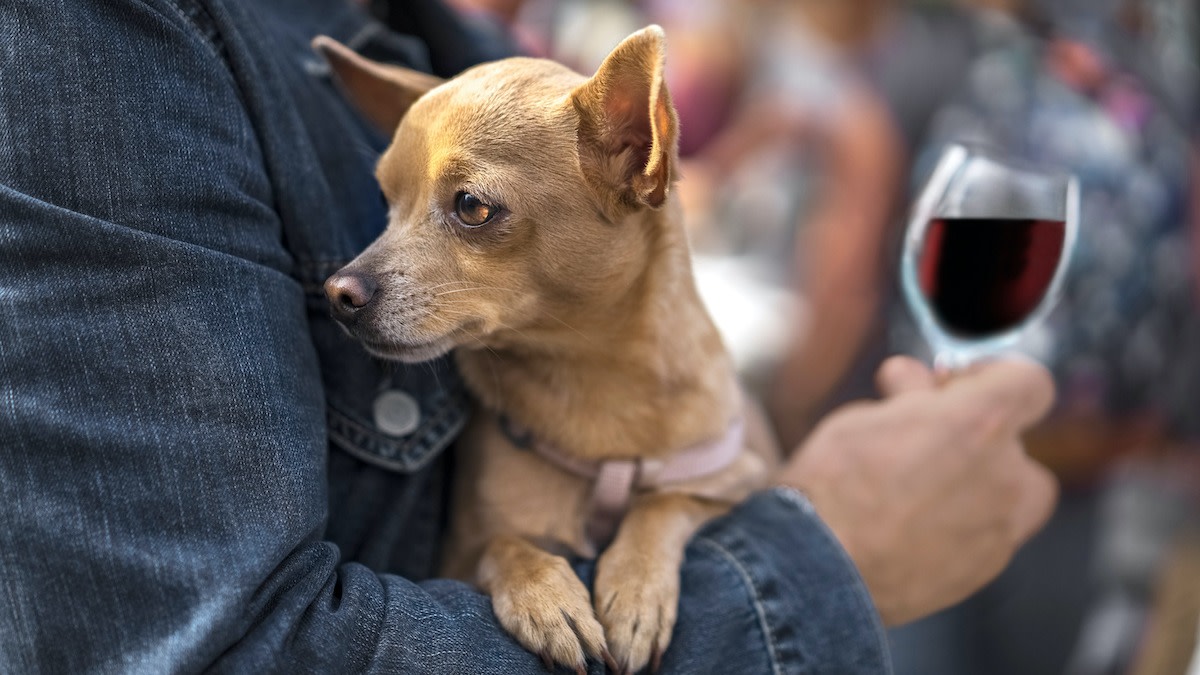
Dogs cannot safely consume any type of alcohol.Exercise caution when drinking around your dog, and learn the signs of alcohol poisoning to keep your dog safe.

Learn From the Best
Can Dogs Drink Alcohol?
No dog breeds can safely consume alcohol. Dogs cannot metabolize alcohol, so beverages, foods, or household products containing different forms of alcohol are unhealthy and can be toxic. Alcohol can cause lethargy, respiratory depression, and dangerously low body temperature in dogs.
Keep your dog away from alcoholic beverages like beer, wine, hard liquor, and food items like raw bread dough. Safely store household products such as hand sanitizers, disinfectant sprays, detergents, soaps, and shampoos containing alcohol. In addition to alcohol content, some products have toxic chemicals. Rubbing alcohol has isopropanol, a highly toxic chemical compound, and some drink mixers contain xylitol, a poisonous sweetener to dogs. Also, avoid overusing topical alcohol-based flea sprays on your dog.
4 Hazards of Alcohol for Dogs
Small amounts of alcohol can be hazardous to your dog’s health. Adverse effects of mild and severe cases may include:
- 1. Central nervous system impairment: Alcohol can affect dogs like humans, slowing down and impairing the central nervous system and causing poor coordination and lethargy. These effects will be much more severe for dogs, even after a small amount of alcohol.
- 2. Metabolic acidosis: Alcohol can induce a life-threatening condition known as metabolic acidosis in dogs. This rapid rise in acidity levels has several adverse effects, including respiratory depression, hypothermia, dangerously low heart rate and blood pressure, and heart attacks.
- 3. Hypoglycemia: Alcohol consumption can result in excessively low blood sugar. Hypoglycemia can manifest as lethargy, weakness, and seizures.
- 4. Gastrointestinal distress: Alcohol can quickly irritate the lining of your dog’s gastrointestinal tract, resulting in excess drooling and stomach upset, including vomiting and diarrhea.
What to Do if Your Dog Drinks Alcohol
Any amount of alcohol ingestion can pose severe risks to your pooch. If you know your dog had a sip or a few licks of your mixed drink or glass of wine, ensure they do not consume more. Contact your veterinarian, animal hospital, or pet poison helpline—expert care is the best way to treat alcohol poisoning.
If you don’t know if your dog has had any alcohol but they are exhibiting symptoms of alcohol toxicity, such as poor coordination or vomiting, contact an emergency vet. A professional can determine if you should bring in your dog for observation or treatment.
Want to Learn More About Training the Goodest Boy or Girl?
Your dream of having a dog who understands words like “sit,” “stay,” “down,” and—crucially— “no” is just a MasterClass Annual Membership away. The only things you’ll need to train up a well-behaved pup are your laptop, a big bag of treats, and our exclusive instructional videos from superstar animal trainer Brandon McMillan.


Can Dogs Drink Wine? 4 Hazards of Wine for Dogs
May 17, 2022

Can Dogs Drink Beer? Health Risks of Giving Dogs Beer
May 24, 2022

Can Dogs Eat Macadamia Nuts?
Mar 16, 2022

Can Dogs Drink Salt Water? 3 Tips to Curb Salt Water Drinking
May 11, 2022

Can Dogs Eat Limes? 3 Risks of Limes for Dogs
Apr 22, 2022

Can Dogs Eat Acorns? How Acorns Affect Dogs
Mar 16, 2022
Other articles
Can Dogs Eat Poppy Seeds?
Jun 21, 2022
Is Lemongrass Safe for Dogs? Side Effects of Lemongrass Oil
Aug 2, 2022
Can Dogs Drink Tea? 3 Health Risks of Tea for Dogs
May 19, 2022
Can Dogs Eat Grapefruit? All About Grapefruit Toxicity
Mar 14, 2022
Can Dogs Drink Distilled Water? 3 Health Risks of Distilled Water
May 17, 2022
Understanding Alcohol Proof: How Is Alcohol Proof Measured?
Mar 26, 2020