Body Conditioning Exercises: 3 Types of Body Conditioning
Written by MasterClass
Last updated: Oct 26, 2021 • 2 min read
Body conditioning involves a range of exercises that activate the entire body.

Learn From the Best
What Is Body Conditioning?
Body conditioning is a broad term that refers to a wide range of physical activities and exercises that train the whole body. Body conditioning exercises include full-body workout exercises that activate the entire body and exercises that simultaneously use multiple major muscle groups.
What Are the Benefits of Body Conditioning?
Performing total body conditioning exercises can help to improve cardiovascular health, muscular endurance and strength, and flexibility.
3 Examples of Body Conditioning
From cardio and aerobic exercises to strength-training, examples of body conditioning exercises include:
- 1. Bodyweight exercises: Bodyweight exercises do not require equipment or classes, and you can incorporate them into any workout routine. Popular bodyweight exercises include lunges, push-ups, squat jumps, burpees, mountain climbers, and jumping jacks. Any bodyweight exercise that involves jumping increases your heart rate, which can improve cardiovascular fitness.
- 2. Strength-training exercises: Strength-training or resistance-training exercises use free weights or weight machines to build muscle and increase strength. Popular strength-training exercises that activate multiple muscle groups and use the whole body include deadlifts, bench presses, and squats.
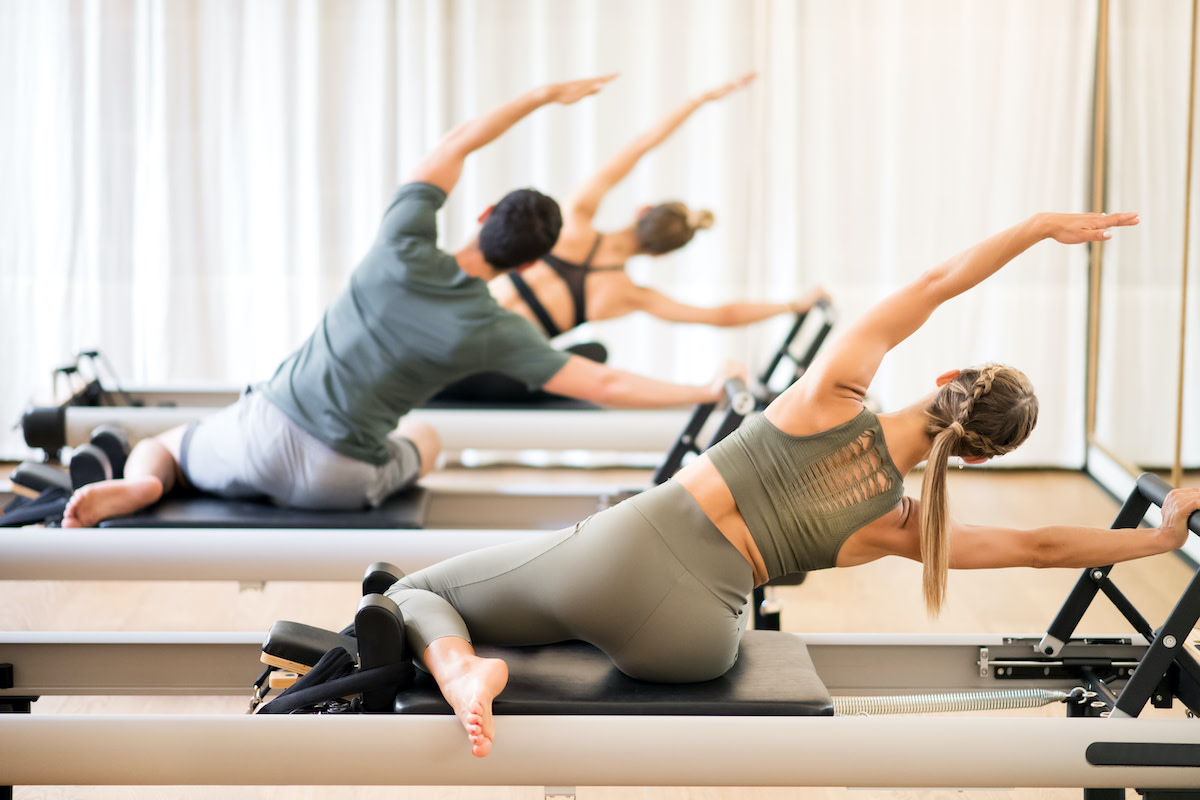
- 3. Pilates: Pilates workout is a full-body, low-impact exercise regimen that focuses on various muscle groups for toning, core strength, good posture, and sometimes even cardio. Pilates can help you improve flexibility, increasing your range of motion.
How to Work Out Safely and Avoid Injury
If you have a previous or pre-existing health condition, consult your physician before beginning an exercise program. Proper exercise technique is essential to ensure the safety and effectiveness of an exercise program, but you may need to modify each exercise to attain optimal results based on your individual needs. Always select a weight that allows you to have full control of your body throughout the movement. When performing any exercise, pay close attention to your body, and stop immediately if you note pain or discomfort.
To see continual progress and build body strength, incorporate proper warm-ups, rest, and nutrition into your exercise program. Your results will ultimately be based on your ability to adequately recover from your workouts. Rest for 24 to 48 hours before training the same muscle groups to allow sufficient recovery.
Want to Dive Deeper Into Your Wellness Journey?
Throw on some athleisure, fire up a MasterClass Annual Membership, and get ready to sweat it out with exclusive instructional videos from Nike Master Trainer and GQ fitness specialist Joe Holder. Want to improve your cardiovascular endurance? Give Joe’s HIIT workout a go. Trying to get a little swole? He’s got a strength training workout for that. From fitness tips to nutrition hacks, Joe will have you feeling healthier in no time.


Full-Body Workout Plan: 16 Exercises for a Full-Body Workout
Jan 27, 2022

7 Lower-Body Exercises for Building Strength
Sep 17, 2021

Metabolic Conditioning Workouts: How to Start Metcon Training
Aug 31, 2021

5 Inner Thigh Workouts for Building Lower-Body Strength
Mar 14, 2022

Pilates vs. Yoga: Reasons for Practicing the Different Methods
Sep 9, 2021

8 Plyometric Exercises You Can Perform at Home
Sep 22, 2021
Other articles
AMRAP Guide: What Is an AMRAP Workout?
Oct 29, 2021
What Is Barre? 6 Benefits of a Barre Workout
Sep 23, 2021
How to Build Stamina: 3 Exercises That Can Improve Stamina
Oct 27, 2021
Gymnastics Conditioning: 7 Gymnast Strength Training Moves
Dec 7, 2021
Hollow Body Hold Exercise Guide: How to Do a Hollow Body Hold
May 12, 2021
Anterior Chain: 4 Anterior Chain Exercises
Dec 14, 2020