Battle of the Super Greens: Kale Vs. Spinach
Written by MasterClass
Last updated: Apr 16, 2025 • 2 min read
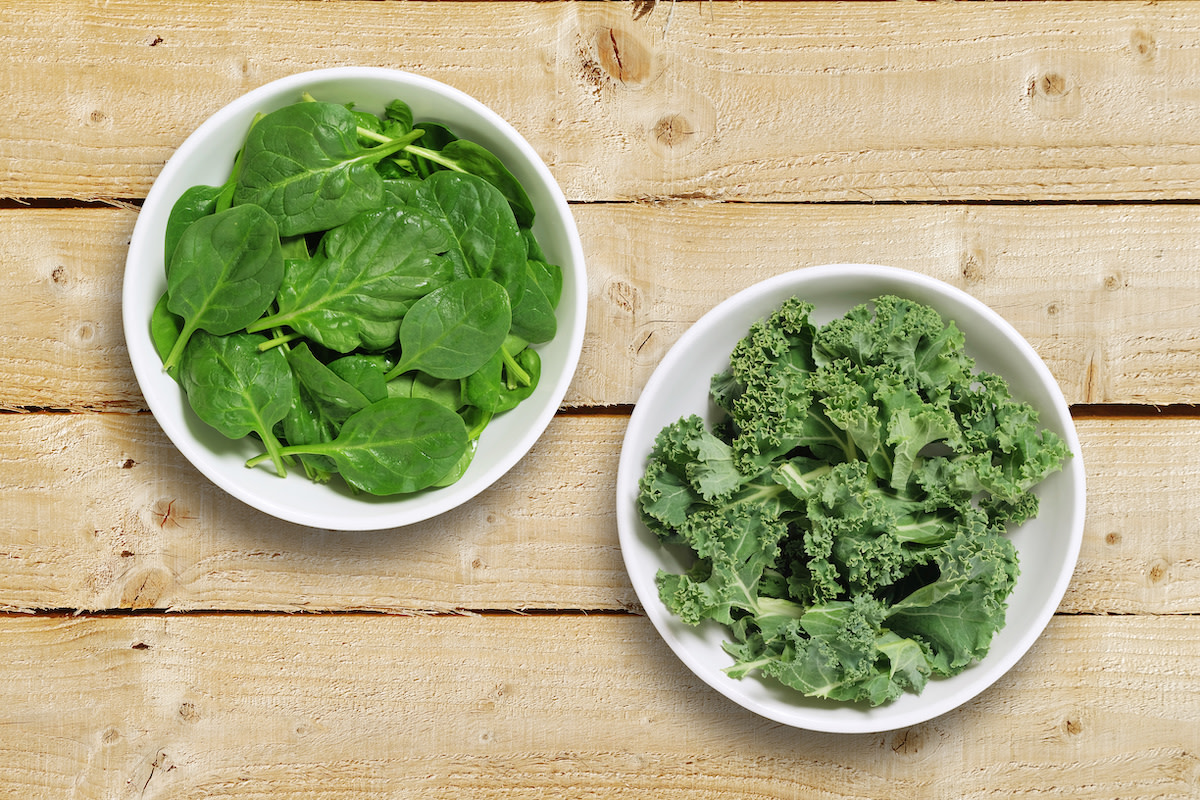
In the halls of healthy eating, leafy green vegetables reign supreme—and if two leafy greens in particular have to share the throne, it’s kale and spinach. (Or, spinach and kale. Let’s not play favorites.)

Learn From the Best
What's the Difference Between Spinach and Kale?
The superpowers of raw spinach and raw kale are mostly measured in antioxidants—specifically, carotenoids and flavonoids, two phytonutrients found in fruit and vegetables. Not only are they responsible for the vibrant colors of the edible plant kingdom, a diet rich in carotenoids and flavonoids has been linked to a whole host of health benefits.
- Spinach: A member of the Amaranthaceae family, spinach counts chard, beets, and quinoa among its not-so-distant relations. Its tender, loose leaves are popular in salads, but its creamy texture and high water content makes it especially useful as a blank flavor canvas, or as a bright addition to purées, sauces, and even things like pasta dough. One of its star carotenoids is called epoxyxanthophylls, an anti-inflammatory that’s been shown to help with prostate cancer prevention, heart disease, and bone health.
- Kale is a member of the Brassica family of cruciferous vegetables, which includes cabbage, Brussels sprouts, and collard greens, among others. Kale chips might be its modern claim to fame, but its hearty texture lends itself well to both protein-packed salads and rich dishes like soups and stews and stir-fries. It’s loaded with vitamins A, C, and a staggering 900 percent of your recommended daily value of vitamin K, and it’s most prominent carotenoids are lutein and beta-carotene, which beat back free radicals and oxidative stress, the engine behind cataracts, atherosclerosis, and pulmonary disease.
Is Kale or Spinach Healthier?
The answer to this question depends on what you’re looking to focus on every day. While kale has about 14 percent more protein than spinach, spinach is incrementally higher in fiber. Kale’s got double the calories, but has a far bigger vitamin footprint. The nutritional value of both leafy greens goes a long way towards lowering the risk of many different cancers and boosting your immune system.
Cooking With Spinach
Spinach can be cooked any which way—blanched, steamed, sautéed—but because of the high water content, sautéeing will be your best bet to help cook off some of the liquid. Some recipes may even call for you to press and drain it further before incorporating it into dishes.
Cooking With Kale
When cooking with kale, first remove its woody, fibrous stems from the dark green leaves. You can then slice it into ribbons, tear it into rustic pieces by hand, or roast the leaves whole. Learn more about kale in our complete guide here.
Super Green Smoothie Recipe
makes
1prep time
2 mintotal time
5 mincook time
3 minIngredients
Combine all ingredients in a blender, and blend until smooth.


A Culinary Guide to Greens: Chef Thomas Keller’s Braised Greens Recipe
Jun 7, 2019

Kale Benefits: All About the Leafy Green and Kale Nutrition
Jan 18, 2023

How to Freeze Kale: 4 Ways to Use Frozen Kale
Oct 20, 2021

How to Store Kale: 3 Ways to Store Kale
Dec 17, 2021

How to Thaw Frozen Spinach: 4 Spinach Defrosting Methods
Nov 4, 2021

All About the Spinach Superfood
Sep 12, 2018
Other articles
How to Cook Kale: 5 Different Ways to Prepare Kale, and an Easy Kale Salad Recipe
Sep 13, 2018
Kale Soup Recipe: How to Make Italian Kale Soup
Jun 2, 2021
How to Wash Kale: 3 Tips for Washing Kale Properly
Dec 3, 2021
Malabar Spinach Plant Tips: How to Grow Malabar Spinach
Nov 11, 2021
How to Use Mizuna: A Guide to Japanese Mustard Greens
Dec 3, 2021
Refreshing Kale Smoothie Recipe: How to Make a Kale Smoothie
Jun 8, 2021