How to Use a Bain-Marie: 3 Dishes to Cook in a Bain-Marie
Written by MasterClass
Last updated: Jun 7, 2021 • 2 min read
From the Medieval Latin balneum Mariae—Mary’s bath—comes the bain-marie: An invaluable cooking vessel for custard-lovers.

Learn From the Best
What Is a Bain-Marie?
Bain-marie is a hot water bath that slowly and evenly bakes particularly delicate foods, like custards or cheesecakes. The bain-marie works by applying indirect heat through steam, which tempers the oven’s hot air and prevents cracks or overcooking. “Bain-marie” is a French culinary term meaning “Mary’s bath” which refers to Mary the Jewess, an alchemist who lived around the third century AD who is commonly credited with inventing the heating method.
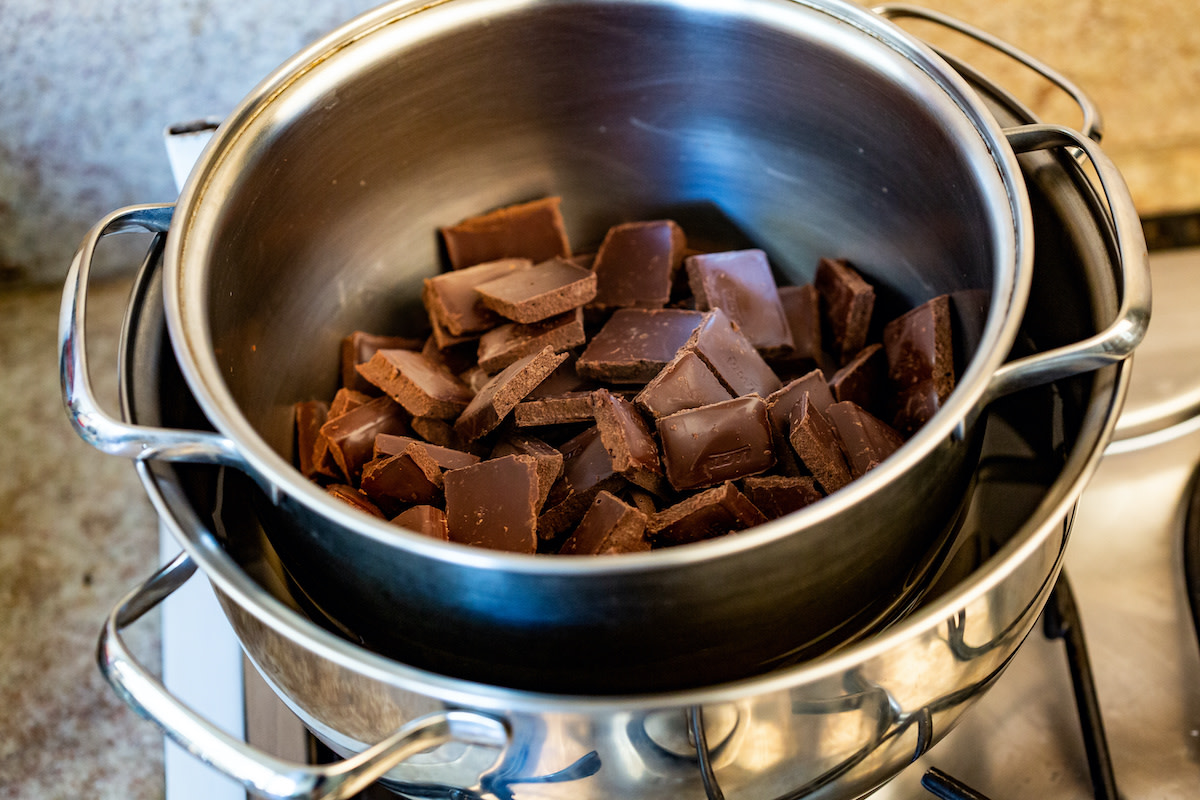
A bain-marie also works as a double boiler, in which a bowl or pot is placed over a larger pot partially filled with simmering water. A double boiler allows for indirect, gentle heat when whisking up temperamental sauces like hollandaise, slowly melting chocolate, or steaming soft, stretchy doughs, like those used to make daifuku mochi.
3 Dishes to Cook in a Bain-Marie
While a bain-marie is commonly used in the foodservice industry to keep dishes (mainly serving sauces or sauce-like dishes like pasta or curry) warm for extended periods, you can also cook dishes using the vessel:
- 1. Cheesecake: A bain-marie is the preferred method for baking cheesecakes because it gently cooks the eggs in the filling. Steam keeps the surface from drying out as it bakes and gently coaxes eggs to reveal their creamy, velvety potential.
- 2. Set custards: Set custards like crème brûlée or flan, which rely on eggs for their smooth, spoonable texture, must be cooked in a bain-marie. Too-intense heat leads to sweet scrambled eggs.
- 3. Meat terrines: Terrines, which are composed of many intricate layers of minced meat, fat, and seasonings, require gentle, even heat to cook all the various meats without browning.
How to Use a Bain-Marie
To make a bain-marie, set individual ramekins or a single springform cake pan lined with aluminum foil in a large, deep roasting pan or baking dish with high sides.
Place it in the oven, and fill the large pan with boiling water until it reaches halfway up the sides of the ramekins or cake pan. Close the oven, and bake for the recipe-specified amount of time, frequently checking to ensure the water has not completely evaporated.
To make a double boiler on the stovetop, fill a large pot partway with water and bring it to a boil. Reduce to a simmer, and place a large bowl over the top.
Want to Learn More About Baking?
Become a better baker with the MasterClass Annual Membership. Gain access to exclusive video lessons taught by the world’s best, including Dominique Ansel, Joanne Chang, Gordon Ramsay, Chef Thomas Keller, Mashama Bailey, and more.


Crème Caramel vs. Flan: How the Caramel Custard Dishes Differ
Feb 16, 2022

How to Make Custard: 9 Ways to Prepare Custard
Jan 8, 2020

Custard vs. Pudding: What’s the Difference?
Nov 30, 2021

Classic Flan Recipe: 3 Tips for Making the Best Flan
Dec 9, 2020

4 Double Boiler Uses: How to Make a Double Boiler
Oct 13, 2022

Lemon Cheesecake Recipe and 3 Baking Tips
Apr 6, 2022
Other articles
Learn the Differences Between a Saucepan and a Pot
Aug 6, 2021
Crème Caramel Recipe: How to Make French Crème Caramel
Apr 28, 2021
Dulce de Leche Recipe: 4 Tips for Making Dulce de Leche
May 11, 2021
Cotton Cheesecake Recipe: How to Make Japanese Cheesecake
Oct 12, 2021
Purin Recipe: How to Make Japanese Custard Pudding
Mar 17, 2021
Bagna Càuda Recipe: How to Make the Italian Dipping Sauce
Aug 16, 2021