Baby Swiss vs. Swiss Cheese: How to Use Swiss Cheeses
Written by MasterClass
Last updated: Mar 11, 2022 • 1 min read
Baby Swiss and Swiss cheese are popular pale-yellow cheeses for sandwiches and baked dishes. Though they have a similar name and appearance, these cheeses have fundamental differences.

Learn From the Best
What Is Swiss Cheese?
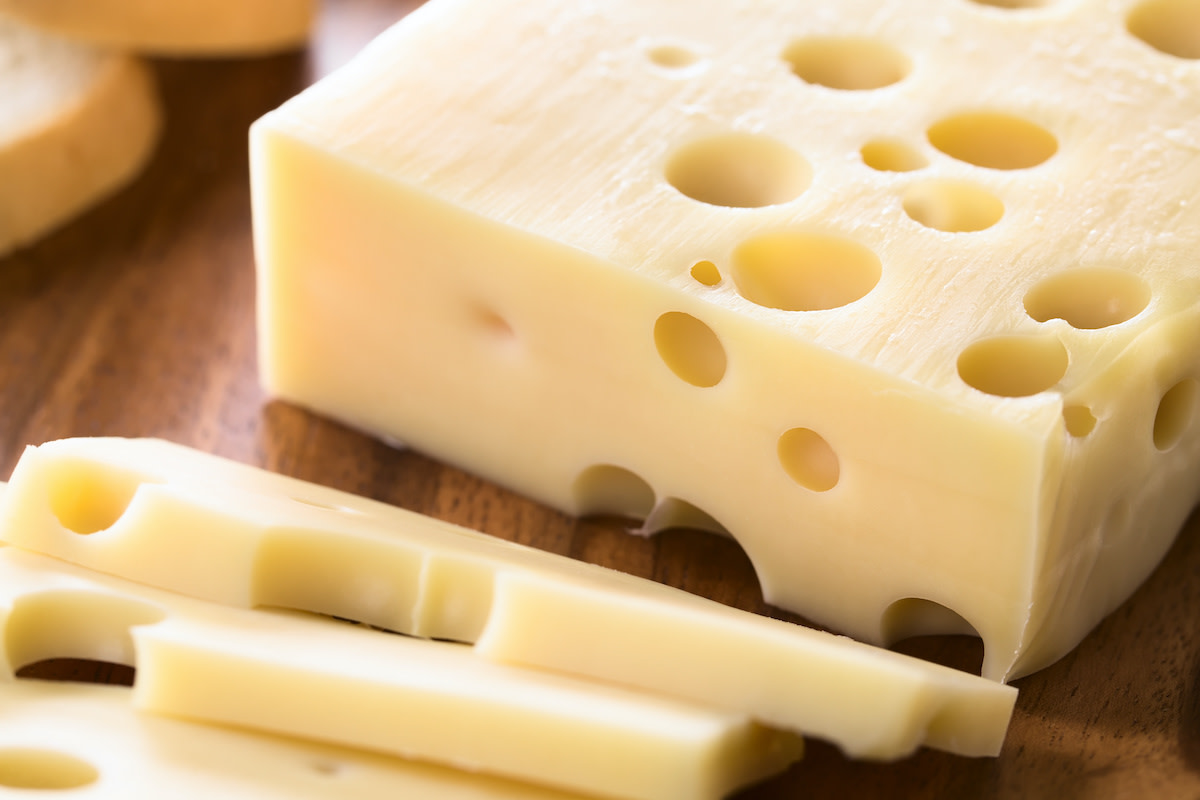
Swiss cheese is a generic term that applies to several different types of cheese made in Switzerland, including Alpine cheeses such as Gruyère and Emmental cheese. Swiss cheese may also refer to an American cheese that is meant to mimic the look, texture, and taste of Emmental. Typically, Swiss is a firm cheese made from cow's milk. It has a pale yellow color and a sweet, nutty flavor. Some types of Swiss cheese have large holes called “eyes.” The bacteria cheesemakers use to ripen the cheese releases carbon dioxide, creating holes in the cheese. Swiss cheese with no holes is referred to as "blind."
What Is Baby Swiss Cheese?
Baby Swiss is a whole milk Swiss cheese made in America, specifically in Wisconsin, Pennsylvania, and Ohio. It gets its name from its small size—it is a miniature version of Swiss cheese wheels. Baby Swiss is a mild cheese with a buttery flavor and creamy texture, and it melts easily.
Baby Swiss vs. Swiss: What’s the Difference?
Baby Swiss and regular Swiss cheese are similar in appearance, and both have a creamy texture, but there are slight differences between them:
- Cheese-making process: Baby Swiss and Swiss cheese have a similar cheese-making process, but baby Swiss is made in smaller batches. Baby Swiss cheese ages for a shorter time than aged Swiss cheese—traditional Swiss cheese ages for up to a year, while Baby Swiss only ages for a few months.
- Appearance: Wheels of baby Swiss cheese are smaller than traditional Swiss cheese wheels. The small-batch production process of baby Swiss cheese yields smaller holes, or eyes, than Swiss cheese.
- Flavor: Baby Swiss has a milder flavor than Swiss cheese.
- Uses: Swiss cheese and baby Swiss are popular cheeses for sandwiches and are commonplace in grocery stores and deli counters. Swiss cheese is easy to melt and creates a good cheese “pull,” making it great for grilled cheese sandwiches. Baby Swiss is even softer, making it the best cheese for fondue, quiche, or mac and cheese recipes.
Want to Learn More About Cooking?
Become a better chef with the MasterClass Annual Membership. Gain access to exclusive video lessons taught by the world’s best, including Gordon Ramsay, Gabriela Cámara, Chef Thomas Keller, Dominique Ansel, Yotam Ottolenghi, Alice Waters, and more.


Provolone vs. Swiss Cheese: Comparing Provolone and Swiss
Mar 8, 2022

Gruyère Cheese: History, Substitutes, and How to Use Gruyère
Feb 16, 2022

How to Melt Cheese: 12 Types of Melting Cheese
Mar 1, 2022

Ricotta vs. Cottage Cheese: Ricotta and Cottage Cheese Uses
Feb 25, 2022

Camembert vs. Brie: Differences Between Camembert and Brie
Sep 17, 2021

Mascarpone vs. Cream Cheese
Oct 22, 2021
Other articles
Gouda vs. Cheddar: 6 Differences Between the Cheese Types
Feb 25, 2022
Mascarpone vs. Ricotta Cheese: 3 Key Differences
Oct 22, 2021
What Is Parmigiano Reggiano Cheese? A Guide to Using Parmesan Cheese in Your Kitchen
Oct 11, 2019
All About Cheese Crystals: How Cheese Crystals Form
Mar 12, 2022
How to Grate Cheese Without a Grater: 4 Ways to Shred Cheese
Jan 18, 2022
How to Make Northern Italian Pizzocheri
Oct 22, 2021